
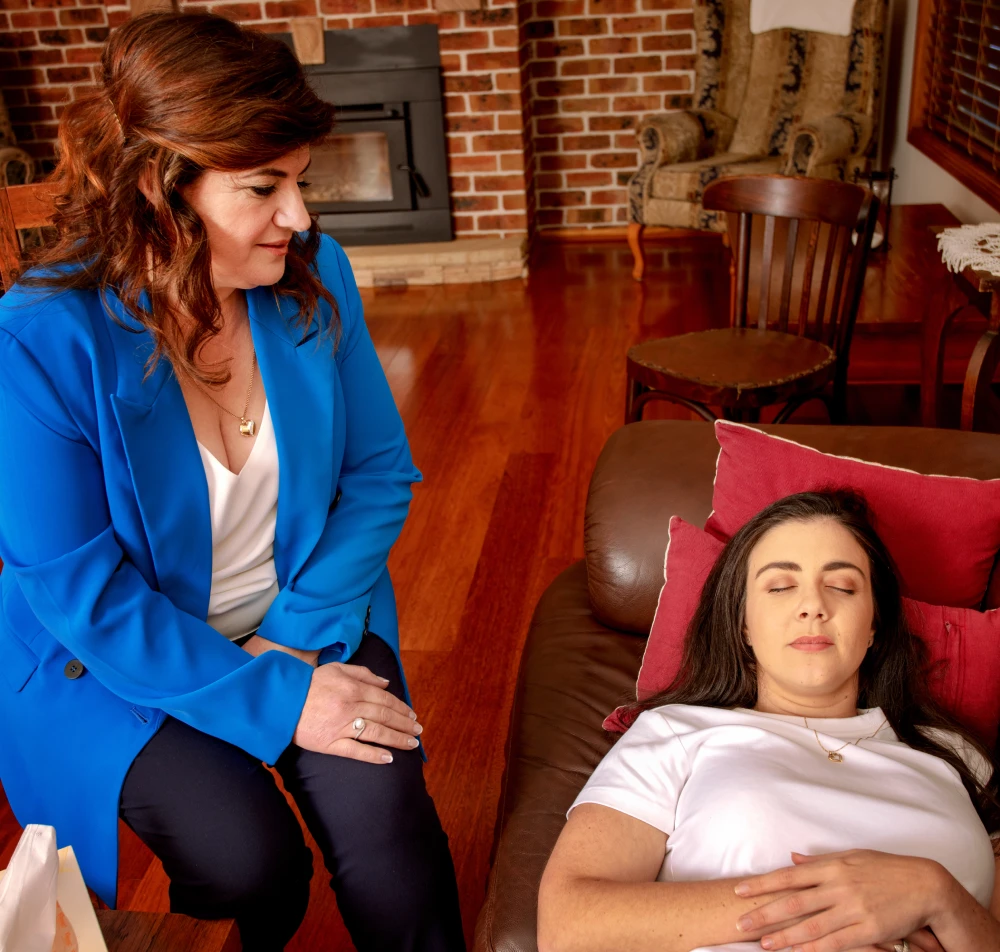
Hypnotherapy does work, and the science backs it up. A comprehensive 2024 review of 49 meta-analyses covering 261 randomised controlled trials found that hypnosis produces medium to large effects for pain management, anxiety reduction, and medical procedures. Brain imaging studies confirm that hypnosis creates real, measurable changes in how your brain processes information and responds to suggestions.
The question isn't whether hypnotherapy works, but rather how it works and what conditions respond best to treatment. This article examines the scientific evidence, explores what happens in your brain during hypnosis, and helps you understand when hypnotherapy might be an effective option for your specific needs.
How Does Hypnotherapy Work?
Hypnotherapy guides you into a focused state of attention where your mind becomes more receptive to positive suggestions and behavioral changes. This isn't sleep or loss of control. You remain fully aware and in charge of your thoughts throughout the session.
i. The Four Stages in Brief
The hypnotherapy process follows four distinct stages. During induction, your therapist helps you relax through breathing exercises and focused attention. Deepening increases your level of relaxation and mental focus, similar to sinking into a comfortable chair. The suggestions stage introduces specific changes you want to make, whether that's managing pain, reducing anxiety, or changing unwanted behaviors. Finally, emergence gently brings you back to normal awareness.
Think of it like entering a flow state where distractions fade away and you can focus intensely on one thing. Your therapist uses this focused state to help rewire unhelpful thought patterns and responses. For a detailed explanation of each stage and what to expect during sessions, read our complete guide on what is hypnotherapy.
What Does Hypnotherapy Claim to Treat?
Hypnotherapy addresses a wide range of mental health, physical health, and behavioral conditions. Research shows varying levels of effectiveness depending on the specific issue being treated.
i. Mental Health Conditions
Hypnotherapy shows strong evidence for treating several mental health conditions:
- Anxiety - Significant reductions in symptoms with good research support
- Depression - Helps manage negative thought patterns and improve mood
- Trauma and PTSD - Assists in processing difficult memories without overwhelming emotional responses
- Phobias - Well-documented effectiveness for specific fears
- Panic attacks - Reduces frequency and intensity
- Stress management - Both work stress and relationship stress respond well
- Perfectionism - Helps moderate unrealistic standards
Many people find relief from various anxiety-related conditions through targeted hypnotherapy sessions.
ii. Dependencies and Behavioral Issues
Breaking free from dependencies represents one of hypnotherapy's most researched applications:
- Smoking cessation - Decades of clinical evidence supporting its use
- Weight loss and food addiction - Changes relationship with eating and exercise
- Alcohol and substance dependencies - Strengthens resolve and changes automatic behaviors
- Gambling addiction - Addresses underlying behavioral patterns
- Porn addiction - Helps break compulsive cycles
- Behavioral modification - Various habit changes and self-improvement goals
The key is working with a qualified therapist who can tailor suggestions to your specific patterns.
iii. Physical Health and Pain
Chronic pain shows the strongest research support for hypnotherapy:
- Chronic pain - Consistent evidence of significant pain reduction
- Irritable bowel syndrome (IBS) - Accepted medical application with clinical guidelines
- Migraine - Reduced frequency and intensity reported
- Insomnia - Promotes relaxation and healthy sleep patterns
- Asthma - Shows varying degrees of improvement
- Fibromyalgia - Ongoing research shows promise
Other conditions like grief and loss, relationship breakdown, self-esteem issues, and motivation also benefit from hypnotherapy approaches.
Scientific Evidence Supporting Hypnotherapy
Research into hypnotherapy has moved far beyond anecdotal reports. Modern neuroscience and rigorous clinical trials provide solid evidence for how and why hypnosis creates real therapeutic benefits.
i. What Brain Imaging Studies Reveal
Brain imaging reveals exactly what happens during hypnosis. Stanford University School of Medicine researchers studied 57 people during guided hypnosis sessions and found significant changes in brain activity. Two areas responsible for processing and controlling body functions showed greater activity during hypnosis.
The area of your brain that controls actions and the area that monitors those actions appear to disconnect. This explains why hypnotised people can focus intensely without the usual self-conscious awareness getting in the way. The frontal cortex, which handles decision-making and attention, quiets down. This allows other brain regions involved in filtering and integrating information to become more active.
These aren't subtle changes. The brain literally operates differently under hypnosis, creating a state where suggestions bypass normal critical filters and can create lasting behavioral changes.
ii. Meta-Analysis Results
The most comprehensive evidence comes from large-scale reviews combining hundreds of studies. A 2024 systematic review by researchers at Leipzig University analysed 49 separate meta-analyses covering 261 primary randomised controlled trials. The results showed medium to large effects across many applications, especially pain management and medical procedures.
Participants receiving hypnosis for pain experienced more relief than about 73% of control participants. That's a substantial effect size in clinical research. The American Psychological Association endorses hypnotherapy for pain, anxiety, and mood disorders. The Australian Society of Hypnosis affirms its therapeutic use based on this growing body of evidence.
Safety data from these studies shows mostly positive outcomes with no serious adverse effects reported. This makes hypnotherapy a low-risk option worth considering for many conditions.
iii. Individual Response Factors
Not everyone responds to hypnosis equally. Hypnotisability is a measurable trait that varies across the population. About two-thirds of adults can be hypnotised meaningfully, while the remaining third show low susceptibility. This is a genetic trait, not a character flaw or sign of weakness.
Highly hypnotisable people show increased communication between executive-control and salience networks in their brains. This helps them focus attention more intensely and respond better to suggestions. Even if you're moderately hypnotisable, you can still benefit from treatment.
The skill of your hypnotherapist matters enormously. Qualified practitioners adapt their techniques to your specific needs and measure progress over time. Some therapists also teach self-hypnosis techniques, giving you tools to practice between sessions and maintain improvements long-term.
Understanding Research Limitations
No treatment works for everyone, and hypnotherapy research acknowledges important limitations that help set realistic expectations.
i. Where More Research Is Needed
Some applications of hypnotherapy rest on smaller studies or preliminary evidence. While chronic pain and anxiety have robust research support, conditions like fibromyalgia and some autoimmune disorders need more randomised controlled trials. Weight loss studies show promise but often combine hypnosis with other interventions, making it hard to isolate hypnotherapy's specific contribution.
The challenge with hypnosis research is creating proper control groups. You can't blind participants to whether they're receiving hypnosis, which introduces potential placebo effects. Researchers account for this by comparing hypnosis to active control treatments, but it's not as clean as drug trials.
ii. Why Individual Results Vary
Your individual hypnotisability significantly impacts outcomes. Someone with high susceptibility might see dramatic changes in one or two sessions. Others with moderate susceptibility may need more sessions and see gradual improvements. Low hypnotisability doesn't mean hypnotherapy can't help, but it may require different techniques.
The complexity of your condition matters too. A specific phobia might resolve quickly, while complex trauma or long-standing addiction patterns need more comprehensive treatment. Your motivation, expectations, and relationship with your therapist all influence results.
iii. Choosing Qualified Practitioners
Not all hypnotherapists have equal training or credentials. Look for practitioners with recognised certifications from professional bodies. In Australia, qualified hypnotherapists often belong to the Australian Society of Clinical Hypnotherapists or similar professional organisations.
Red flags include promises of instant cures, claims that hypnosis works for absolutely everything, or practitioners who can't explain their methods clearly. Good hypnotherapists provide realistic timelines, discuss what research supports for your specific issue, and work collaboratively with other healthcare providers when needed.
Expert Opinions on Hypnotherapy
The medical and psychological communities have shifted from skepticism to acceptance as evidence accumulates.
i. Professional Endorsements
The American Psychological Association recognises hypnosis as a legitimate therapeutic tool for pain, anxiety, and mood disorders. It's also endorsed for helping people change negative habits like smoking. Australian professional bodies similarly support hypnotherapy when practiced by qualified professionals.
Medical institutions now incorporate hypnosis into treatment protocols. Some hospitals offer hypnosedation as an alternative to general anesthesia for certain procedures. Patients remain awake but deeply relaxed, requiring less pain medication and experiencing fewer complications.
This mainstream acceptance reflects decades of research demonstrating real clinical benefits. Hypnotherapy has moved from fringe treatment to evidence-based complementary therapy.
ii. Complementary vs Primary Treatment
Most experts view hypnotherapy as a powerful complementary treatment rather than a standalone solution for serious conditions. For anxiety or chronic pain, combining hypnosis with other evidence-based treatments often produces the best results. It can reduce medication needs, speed recovery, and give you active tools for managing symptoms.
Some conditions respond well to hypnotherapy as a primary intervention. Specific phobias, smoking cessation, and IBS often improve with hypnotherapy alone. Your healthcare provider can help determine the right approach for your situation.
Integration with psychotherapy enhances outcomes for many mental health conditions. Hypnosis can help you access emotions and memories more easily during therapy sessions, speeding up the therapeutic process.
Conclusion: Does Hypnotherapy Really Work?
The evidence clearly shows that hypnotherapy works for many conditions, particularly chronic pain, anxiety, IBS, and smoking cessation. Brain imaging confirms real neurological changes occur during hypnosis, and large-scale reviews of clinical trials demonstrate significant benefits for mental and physical health.
Success depends on your individual hypnotisability, the skill of your practitioner, and realistic expectations about what hypnotherapy can achieve. It's not magic, but it is a scientifically supported tool that can create meaningful changes when applied appropriately. If you're dealing with pain, anxiety, dependencies, or other conditions where evidence supports hypnotherapy, it's worth exploring as part of your treatment plan.
At Hilltop Hypnotherapy, qualified practitioners work collaboratively with doctors and psychologists to give you the best possible outcomes. Always consult with healthcare providers about your specific situation. Explore our range of hypnotherapy Sydney services to learn more about how hypnotherapy might help you.
Frequently Asked Questions
Does hypnotherapy work for everyone?
No, hypnotherapy doesn't work equally well for everyone. About two-thirds of adults have moderate to high hypnotisability and respond well to treatment. The remaining third shows low susceptibility but may still benefit from modified techniques. Your response depends on genetic factors, the specific condition being treated, and your therapist's skill in adapting techniques to your needs.
How many sessions does it take to work?
The number of sessions varies widely based on your condition and goals. Some people notice improvements after one or two sessions, particularly for specific issues like phobias or performance anxiety. Complex conditions such as chronic pain, trauma, or long-standing dependencies typically need six to twelve sessions or more. Your hypnotherapist should discuss realistic timelines during your initial consultation.
Is hypnotherapy safe?
Yes, hypnotherapy is very safe when practiced by qualified professionals. Large-scale reviews of clinical studies report minimal side effects and no serious adverse effects. You remain in control during sessions and can't be made to do anything against your will. The biggest risk is wasting time and money on unqualified practitioners, which is why choosing certified hypnotherapists matters.
Does hypnotherapy work for weight loss?
Hypnotherapy can help with weight loss, though evidence suggests it works best when combined with diet and exercise changes. It addresses the psychological aspects of eating, including emotional eating, food cravings, and motivation. Research shows moderate effectiveness for weight management. People who use hypnotherapy alongside healthy lifestyle changes often see better long-term results than diet alone. The key is changing your relationship with food and exercise, not relying on hypnosis as a magic solution.
How long do the effects last?
The duration of effects varies by condition and individual. Many people report lasting changes, particularly for issues like phobias, smoking cessation, and chronic pain management. Some conditions benefit from occasional maintenance sessions. Learning self-hypnosis techniques can help you maintain improvements long-term by giving you tools to reinforce positive changes independently. Your therapist can teach you these techniques to support ongoing success.

Margaret Muscat is a Strategic Clinical Hypnotherapist and founder of Hilltop Hypnotherapy, trained through the prestigious Institute of Applied Psychology and accredited as an ISPA Practitioner, as well as an active member of both the Australian Hypnotherapist Association and the Hypnotherapy Council of Australia. She specialises in anxiety, depression, trauma, phobias, and dependency, combining evidence-based Clinical Hypnotherapy with Strategic Psychotherapy to deliver transformative, lasting results. Through her articles, Margaret shares practical, research-informed strategies drawn from years of clinical experience and deep personal insight.
Book Appointment NowRelated Posts
Hypnosis vs Meditation: Which Mind Practice Is Right for You?
Hypnosis and meditation both produce states of focused relaxation, and both have documented effects on stress, anxiety, and mental wellbeing. Yet they work through different mechanisms, serve different...
Hypnotherapy for Confidence: Building Self-Esteem from Within
Low confidence is not a fixed character trait. In most people, it is a learned pattern stored in the subconscious mind that shapes automatic responses to situations like social interaction, workplace...