
Hypnosis vs Meditation: Which Mind Practice Is Right for You?
Hypnosis and meditation both produce states of focused relaxation, and both have documented effects on stress, anxiety, and mental wellbeing. Yet they work through different mechanisms, serve different purposes, and suit different situations. Understanding the distinctions between them helps in choosing the right approach for a specific goal. This article covers what each practice involves, how they differ neurologically and functionally, what each is best suited for, and how to decide which is appropriate for your situation.
What Hypnosis and Meditation Actually Are
Hypnosis is a guided, goal-directed mental state in which focused attention and reduced analytical activity allow the subconscious mind to become more receptive to suggestion and change. It is used clinically to address specific presenting issues, including phobias, anxiety, habit change, trauma, and low confidence. Sessions are typically conducted by a trained hypnotherapist, though self-hypnosis can be learned and practised independently. For a full explanation of the clinical process, what hypnotherapy is and how it works provides relevant background.
Meditation is a self-directed practice of training attention and awareness. It originated in ancient India and has been practised across Buddhist, Hindu, and other contemplative traditions for several thousand years. In clinical and secular contexts, meditation most commonly takes the form of mindfulness-based stress reduction (MBSR), focused attention practice, or open monitoring, where the practitioner observes thoughts without attempting to direct them toward a specific outcome.
The two practices overlap in surface structure. Both involve a quiet environment, a relaxed posture, and some form of internal focus. Both can reduce stress and produce changes in mental and physical functioning. The meaningful differences appear in purpose, direction, and clinical application.
What Hypnosis and Meditation Have in Common
Both hypnosis and meditation reduce activity in the default mode network, the brain system associated with mind wandering, self-referential rumination, and unfocused thought. Reducing activity in this network is linked to lower anxiety and reduced negative self-talk in both practices.
Both states also increase blood flow to the anterior cingulate cortex, the brain region associated with empathy, impulse control, and decision-making. This is one neurological basis for the emotional regulation benefits reported across both practices.
In terms of clinical application, both have been used to address anxiety, depression, stress, and sleep difficulties. Research published in JAMA Psychiatry (2022) found that mindfulness-based stress reduction and the antidepressant escitalopram produced equivalent reductions in anxiety over eight weeks, with participants in both groups showing a 30% decrease in anxiety levels. Hypnotherapy has also demonstrated comparable outcomes to cognitive behavioural therapy for mild to moderate depression in adults.
Neither practice is passive. Both require genuine engagement from the person. A 2024 article in The Conversation, drawing on cognitive neuroscience research, noted that if a person is unwilling to follow instructions or is significantly distracted, neither hypnosis nor meditation produces its expected effects.
How They Differ: Purpose, Process, and Depth
The most direct way to understand the difference comes from research published by the American Psychological Association in 2024: “Whereas meditation helps you accept a problem, hypnosis allows people to make changes to do something about the problem.”
This distinction captures the functional difference between the two. Meditation builds a relationship with the present experience as it is. Hypnotherapy targets specific subconscious patterns and works to change them.
Four axes separate the two in practice:
Direction: Hypnosis is inward and goal-specific. Each session is structured around a defined presenting issue. Meditation is open and awareness-oriented. The practitioner observes the flow of mental experience without directing it toward a particular outcome.
Guidance: Hypnotherapy involves a therapist or a personalised script designed for a specific individual. The therapist guides the person into trance and applies targeted techniques. Meditation is self-led. A teacher or recording may provide initial instruction, but the practice is conducted independently.
Target: Hypnotherapy works at the subconscious level, accessing and modifying the beliefs, emotional responses, and automatic patterns stored there. Meditation works at the level of conscious awareness, training the practitioner to observe mental activity with greater clarity and less reactivity.
Outcome type: Hypnotherapy produces targeted change in a specific area of functioning. Meditation produces cumulative, general improvements in wellbeing through consistent daily practice over time.
What Happens in the Brain During Each
Electroencephalography (EEG) research shows measurable differences in brain wave activity between hypnosis and meditation, confirming that they are not neurologically identical states.
A mini-review published in Frontiers in Psychology (Penazzi and De Pisapia, 2022) examined studies that directly compared hypnosis and meditation. The review found that hypnosis produces greater theta wave activity (4 to 8 Hz) across both hemispheres, while meditation produces more alpha wave activity concentrated in the frontal positions. Alpha activity (8 to 13 Hz) is associated with relaxed wakefulness and closed-eye rest. Theta is associated with deeper relaxation, subconscious access, and the state where visualisation and suggestion are most effective.
During hypnosis, frontal lobe activity increases. The frontal lobe governs executive decision-making and voluntary behaviour, which supports the capacity to accept and integrate new perspectives that conflict with previously held subconscious beliefs. At the same time, the default mode network becomes less active, reducing the internal critical voice that would otherwise resist new suggestions.
During meditation, structural brain changes develop over time. Research from Harvard Medical School (Hölzel et al., 2011) using MRI scans found that two months of regular meditation produced measurable increases in grey matter density in areas associated with learning, memory, and emotional regulation. These structural changes accumulate gradually through consistent practice.
Experienced meditators also show gamma wave activity (30 to 100 Hz), associated with higher-order cognitive processing. This state is not typically observed during hypnosis, which operates in the alpha to theta range.
Both states also reduce activity in the amygdala, the brain structure responsible for generating the stress and fear response. This shared effect underpins the anxiety-reduction benefits reported across both practices.
What Each Practice Is Best Suited For
The nature of the presenting goal is the primary factor in determining which practice is more appropriate. The table below reflects documented clinical applications and research outcomes for each.
| Presenting Issue | Better Suited To |
| Phobias and fear responses | Hypnotherapy |
| Habit change (smoking, overeating, alcohol) | Hypnotherapy |
| Clinical anxiety disorders | Hypnotherapy, often combined with CBT |
| General daily stress management | Meditation |
| Improving focus and concentration | Meditation |
| Trauma processing | Hypnotherapy |
| Sleep difficulties | Both, through different mechanisms |
| Ongoing emotional regulation | Meditation |
| Mild to moderate depression | Both |
| Low self-esteem and confidence | Hypnotherapy |
For phobias and fear-based responses, hypnotherapy can simulate exposure to the feared stimulus under trance, allowing the person to habituate without real-world risk. The subconscious processes the guided imagery as functionally comparable to actual experience. Hypnotherapy for anxiety addresses the subconscious fear patterns driving anxiety disorders in this way.
For trauma, hypnotherapy allows the person to revisit and reframe distressing memories in a controlled state, reducing their emotional charge. Hypnotherapy for trauma recovery covers this application in detail.
For confidence and self-esteem, the subconscious beliefs that produce persistent self-doubt require targeted intervention rather than general awareness practice. Hypnotherapy for self-esteem and confidence addresses these patterns directly.
For general stress management and long-term mental resilience, meditation is well-supported. It does not require a specific issue as the starting point and can be practised daily without clinical support once learned.
One important qualification applies to clinical anxiety: meditation is described by researchers as only moderately effective for anxiety disorders when practised alone. Hypnotherapy, particularly when combined with cognitive behavioural therapy, produces more consistent outcomes for clinical presentations.
Can You Use Both Together?
Hypnosis and meditation are not mutually exclusive. Research supports the view that they can complement each other in practice.
A study by Heide et al. (1980) found that people with higher hypnotic responsiveness showed greater anxiety reductions after one week of meditation compared to those with lower responsiveness. This suggests that the capacity for absorption and focused attention, which supports hypnotic responsiveness, also enhances the effects of meditation.
Meditation can, over time, build the mental qualities that support effective hypnotherapy. Consistent practice improves focused attention, reduces habitual mind wandering, and increases the ability to sustain internal imagery. These are the same qualities that make a person a more responsive hypnotherapy client.
Conversely, clinical hypnotherapy can address the specific obstacles that make it difficult for some people to meditate consistently, including anxiety, intrusive thoughts, and low self-worth. Removing these barriers through targeted subconscious work makes the ongoing practice of meditation more accessible.
Many clinical hypnotherapists incorporate mindfulness-based elements into their approach. The types of hypnotherapy used in clinical practice include Ericksonian methods that draw on awareness and suggestion simultaneously, blending elements common to both disciplines.
Self-Hypnosis vs Guided Meditation
Self-hypnosis and guided meditation are the independent practice forms of each discipline, and they share more in common than their clinical counterparts.
Self-hypnosis involves guiding oneself into a trance state using a prepared script or recording, then delivering targeted suggestions toward a specific goal. It is goal-directed in the same way as clinical hypnotherapy but conducted without a therapist. Self-hypnosis is most effective when learned initially under the guidance of a qualified practitioner, who can tailor the induction and suggestion language to the individual’s specific presenting issue.
Guided meditation involves following audio or instructor-led instructions to develop attention and awareness. It is not directed toward a specific therapeutic goal. Guided meditation is broadly accessible and does not require prior clinical learning to begin.
The primary practical difference is specificity. Self-hypnosis targets a defined subconscious pattern. Guided meditation cultivates general mental calm and awareness. People who find it difficult to quiet mental activity during meditation sometimes find self-hypnosis easier to sustain, because the goal-directed structure gives the mind a defined focal point rather than requiring open-ended observation of thought.
It is worth noting what hypnosis cannot do in either format. Understanding the accurate boundaries of the practice helps manage expectations. 3 things hypnosis cannot do addresses common misconceptions directly.
Which One Is Right for You?
Choose hypnotherapy if you have a specific presenting issue to address. Phobias, anxiety disorders, habit change, trauma, low confidence, dependency, and sleep disorders all respond to targeted subconscious intervention. Hypnotherapy is structured around the individual’s specific history, goals, and subconscious patterns. It produces change in a defined area within a planned number of sessions. For an evidence-based assessment of outcomes, does hypnotherapy work provides a grounded overview.
Choose meditation if you want to build long-term mental resilience and manage general stress. Meditation does not require a specific problem as a starting point. It is a daily maintenance practice that produces cumulative benefits over weeks and months of consistent use.
Consider both if you want targeted clinical change and an ongoing independent practice. Hypnotherapy addresses the specific issue. Meditation sustains the improvements and builds the broader mental qualities that support wellbeing over time.
If you are uncertain which is appropriate for your situation, a consultation with a qualified clinical hypnotherapist is the most direct way to assess the right starting point.
Working with Hilltop Hypnotherapy
Hilltop Hypnotherapy is based in Mulgoa, NSW, and services clients across Greater Sydney, including Penrith, the Blue Mountains, Western Sydney, the North Shore, the CBD, Eastern Suburbs, Inner West, South Sydney, and Sutherland Shire. Online hypnotherapy sessions are available across Australia via secure video call.
Margaret Muscat is a Strategic Clinical Hypnotherapist trained at the Institute of Applied Psychology under Gordon Young and Dr. Michael Yapko (USA). She holds accreditation as an ISPA Practitioner and active membership with the Australian Hypnotherapists Association (since 2018) and the Hypnotherapy Council of Australia. Her clinical approach combines evidence-based Clinical Hypnotherapy with Strategic Psychotherapy, focused on identifying and resolving the subconscious patterns that drive presenting issues rather than revisiting the past in extended detail.
The first step is a free 20-minute consultation. Book your appointment or get in touch with Margaret to discuss your situation before a treatment plan is recommended.
Frequently Asked Questions
Is hypnosis the same as meditation?
No. Hypnosis and meditation are distinct practices. Both produce relaxed, focused mental states, and both reduce activity in the default mode network. However, hypnosis is goal-directed and therapist-guided, targeting specific subconscious patterns for change. Meditation is self-directed and awareness-oriented, building general mental clarity through consistent practice. Research published in Frontiers in Psychology (2022) confirmed that the two states show different neural signatures on EEG measurement.
Can meditation replace hypnotherapy?
No. Meditation and hypnotherapy address different levels of mental functioning. Meditation builds awareness and present-moment attention. Hypnotherapy modifies the subconscious beliefs and automatic responses that generate specific symptoms, behaviours, or emotional patterns. For clinical presentations such as phobias, anxiety disorders, trauma, or dependency, hypnotherapy provides targeted intervention that meditation does not replicate.
Does hypnosis work if you cannot meditate?
Yes. Difficulty meditating does not prevent effective hypnotherapy. During hypnotherapy, the therapist guides the induction process, so the person does not need to manage their own mental focus independently. Many people who find it difficult to sustain independent meditation find hypnotherapy accessible precisely because the therapist provides the external structure. Willingness to follow the therapist’s guidance is the relevant factor, not prior meditation experience.
Is self-hypnosis as effective as working with a qualified hypnotherapist?
Self-hypnosis can reinforce the work done in clinical sessions and is a useful tool for ongoing maintenance. For initial or complex presentations, working with a qualified hypnotherapist produces more consistent and targeted outcomes. A therapist conducts a full intake assessment, tailors the induction and suggestion language to the individual, and can adjust the approach based on session-by-session responses. Self-hypnosis works most effectively once the person has learned the technique from a qualified practitioner.
Can hypnotherapy and meditation be practised at the same time?
Yes. The two practices can be used together. Hypnotherapy addresses specific presenting issues. Meditation builds the broader attentional and emotional regulation skills that support ongoing wellbeing. Research indicates that people with higher capacity for mental absorption, a quality developed through meditation, also tend to respond more effectively to hypnotherapy. The two approaches are compatible and in some cases mutually reinforcing.
Hypnotherapy for Confidence: Building Self-Esteem from Within
Low confidence is not a fixed character trait. In most people, it is a learned pattern stored in the subconscious mind that shapes automatic responses to situations like social interaction, workplace performance, or personal challenge. Hypnotherapy for confidence targets these patterns at their source, working at the subconscious level where self-perception is formed and maintained. This page covers what low confidence involves, where it originates, how confidence hypnotherapy works clinically, which techniques are applied, and what to expect from sessions with Margaret Muscat at Hilltop Hypnotherapy in Sydney.
What Low Confidence Actually Looks Like
Low confidence and low self-esteem are related but distinct. Self-esteem refers to a person’s overall sense of self-worth. Confidence relates to belief in one’s ability to perform in specific situations, such as speaking in a group, making decisions, or handling criticism. A person can have low confidence in particular contexts and reasonable confidence in others, or carry a broadly negative self-image that affects most areas of life.
Common behavioural signs of low confidence include:
- Avoiding new opportunities or decisions out of fear of failure or judgement
- Difficulty accepting compliments without dismissing or deflecting them
- Ruminating on criticism long after it is delivered
- Over-explaining or seeking reassurance in conversations
- Withdrawing from social events or group interactions
Low self-esteem does not always appear as visible shyness or withdrawal. Some people with persistent self-doubt present as capable, high-functioning individuals externally. This disconnect, where external performance does not match internal self-perception, is sometimes described as imposter syndrome and is a recognised presentation in confidence hypnotherapy.
Confidence issues affect people at different life stages. In teenagers, low confidence often appears as reluctance to participate in class, heightened sensitivity to peer judgement, and avoidance of activities outside academic requirements. In adults, it frequently affects career decisions, relationship dynamics, and the capacity to manage stress without self-criticism.
Hypnotherapy for social confidence addresses this full range, from the person who avoids group conversation at work to the adult who has restricted their activities for years because of a persistent internal fear of judgement.
Where Low Self-Esteem Comes From
Low self-esteem develops from a combination of past experiences, environmental conditions, and habitual thought patterns that become ingrained over time.
Childhood experiences account for a significant proportion of confidence issues in adults. Persistent criticism from parents, teachers, or peers, exposure to bullying, unrealistic academic or social expectations, and environments where self-worth was tied to achievement can produce core beliefs such as “I am not capable” or “I am not good enough.” These beliefs form during developmental periods when the capacity for rational evaluation is limited. The subconscious absorbs them without the scrutiny an adult would apply, which is why they persist long after the original circumstances no longer exist.
Difficult life events can also reduce established self-esteem. Relationship breakdowns, redundancy, serious illness, bereavement, or public failure can shift how a person views their own competence and worth. Professor Chris Williams, Professor of Psychosocial Psychiatry at the University of Glasgow, states that low self-esteem often changes behaviour in ways that confirm negative beliefs, creating a self-reinforcing cycle. Avoiding challenge prevents the accumulation of positive experience that would otherwise rebuild confidence.
Trauma is another driver of low confidence. When past experiences involve significant distress, the subconscious can form protective beliefs that restrict engagement with situations perceived as threatening. Hypnotherapy for trauma recovery addresses this layer directly when trauma is the primary origin of a person’s self-esteem difficulties.
Societal and media influences contribute as well, particularly for teenagers and young adults. Environments that tie worth to appearance, status, or social approval can produce a persistent gap between how a person sees themselves and how they feel they should be.
The subconscious does not evaluate these messages critically. It stores them as reference points, and over time, repeated exposure generates automatic thought patterns that operate below conscious reasoning. This is why deliberate effort alone is often insufficient to shift low confidence in a lasting way.
Can Hypnotherapy Help with Confidence?
Hypnotherapy can help with confidence by working directly at the subconscious level where low self-esteem beliefs are stored. Rather than addressing those beliefs through conscious reasoning, it changes how they function as automatic reference points.
A meta-analysis published in the American Journal of Clinical Hypnosis found that hypnosis for self-esteem produces measurable improvements in confidence. Supporting research shows that hypnotherapy strengthens the ego and supports a more stable sense of self in people with anxiety or depression, both of which are closely linked to low self-worth. Anxiety and low confidence frequently develop and reinforce each other. Hypnotherapy for anxiety addresses this overlap when both are present.
Studies conducted in academic settings found that self-hypnosis helped university students report greater confidence in public speaking, a context where performance anxiety and self-consciousness are common obstacles. Research also indicates that for people with substance dependency, improved self-esteem through self-hypnosis supported relapse prevention by building a more stable internal sense of identity.
Confidence hypnotherapy is not a passive process. It requires the person to engage actively with the therapist’s guidance and, in most cases, to practise self-hypnosis techniques between sessions to reinforce the changes made in the clinical setting.
How Hypnotherapy for Confidence Works
Confidence hypnotherapy works by guiding a person into a deeply relaxed, focused mental state, referred to as trance. In this state, the analytical or critical faculty of the mind becomes less active, and the subconscious becomes more receptive to new suggestions, reframing, and the processing of past experiences.
The subconscious mind is estimated to influence up to 90% of habitual beliefs and automatic behaviours. When a person attempts to address confidence issues through willpower or conscious effort, that effort operates against years of contradicting subconscious programming. Hypnotherapy works directly with that programming. For a grounded explanation of the clinical process, what hypnotherapy is and how it works provides relevant background.
Research has shown that during hypnosis, activity in the frontal lobe increases. The frontal lobe is associated with executive decision-making and the capacity to integrate new perspectives. One study found that visualisation under hypnosis activates the same brain regions as real-life experience. This means the subconscious processes a vividly imagined confident performance in a way that is neurologically comparable to an actual event, providing a functional foundation for behaviour change.
At Hilltop Hypnotherapy, Margaret Muscat applies Strategic Psychotherapy alongside Clinical Hypnotherapy. This approach focuses on identifying the primary barriers to progress rather than revisiting the past in detail. It evaluates current thought patterns, emotions, and behaviours, then uses hypnotic techniques to disrupt negative cycles and embed more functional responses at a subconscious level.
Techniques Used in Confidence Hypnotherapy
The techniques applied during a confidence hypnotherapy session depend on the individual’s history, the nature of the presenting issue, and their response to the hypnotic state. Margaret Muscat draws on a range of types of hypnotherapy within her clinical practice, including Strategic and Ericksonian methods, selecting the approach best suited to each person.
Positive suggestion therapy delivers carefully constructed suggestions during trance. These replace specific negative self-beliefs with more accurate, functional alternatives. The language of the suggestions is matched to the individual’s presenting issue. A person with difficulty handling criticism, for example, receives suggestions targeted at separating external feedback from internal self-worth.
Regression and memory reframing involves revisiting experiences that established low confidence. The person re-examines those memories from a different perspective, which reduces their emotional charge and changes how they function as subconscious reference points. This technique applies when confidence issues are traceable to specific events in childhood or adolescence.
Visualisation guides the person to construct a detailed internal image of performing confidently in a specific target situation. Because visualisation under hypnosis activates the same neural pathways as real experience, this rehearsal produces a genuine subconscious reference for confident behaviour before it has occurred in real life. This brain-level equivalence is what makes mental rehearsal under hypnosis clinically productive rather than simply motivational.
Anchoring pairs a calm, confident internal state with a repeatable physical cue, such as pressing two fingers together. This association is established during the session and can be activated in real-world situations to access the same state quickly, without requiring a clinical environment.
What to Expect in a Hypnotherapy Session for Self-Confidence
The initial appointment begins with a consultation. Margaret Muscat takes a detailed history, identifying the specific situations where confidence is affected, the likely origins of the issue, and the person’s treatment goals. This information shapes the full session plan.
During the hypnotherapy component, the trance state is induced using a process called induction. This may involve focused breathing, progressive muscle relaxation, or guided imagery. The person remains fully aware throughout. Hypnosis does not involve unconsciousness, loss of memory, or compelled behaviour. A person cannot be made to say or do anything against their will.
Once in trance, the relevant techniques for confidence and self-esteem are applied. Sessions typically run between 60 and 90 minutes, including the consultation and debrief. At Hilltop Hypnotherapy, session recordings are provided to clients for use between appointments, supporting ongoing reinforcement between clinical sessions.
Most people require between 3 and 10 sessions, based on figures from the American Journal of Clinical Hypnosis. The number depends on how long the confidence issue has been present, the individual’s response to the hypnotic state, and the consistency of self-hypnosis practice between appointments. Margaret provides a realistic estimate after the initial assessment.
After sessions, clients commonly report that inner self-criticism becomes quieter, that previously difficult situations feel more manageable, and that their sense of self-worth becomes more stable and less dependent on external feedback.
Online Hypnotherapy for Confidence
Hilltop Hypnotherapy offers online hypnotherapy sessions across Australia via secure video call. The techniques used in face-to-face sessions, including suggestion therapy, visualisation, and regression work, can all be applied effectively in an online format.
A 2023 review published in the International Journal of Clinical and Experimental Hypnosis (Hasan and Vasant, Vol. 71, No. 2) examined remote hypnotherapy delivery and concluded it has the potential to become a standard worldwide mode of delivery, with documented outcomes comparable to in-person sessions.
Online confidence hypnotherapy suits people located outside Greater Sydney, those with schedule constraints that limit in-person attendance, and those who prefer to work from a familiar environment. A stable internet connection and a quiet, private space are the practical requirements. For anyone looking for hypnotherapy for confidence who cannot access an in-person clinic, online delivery removes the geographic barrier without reducing clinical effectiveness.
Hypnotherapy for Teenage Confidence
Teenagers form a distinct group in the context of confidence issues. Adolescence involves active identity formation, heightened sensitivity to peer approval, academic pressure, and extended exposure to social media environments that reinforce social comparison. These factors combine to make low confidence common during this period. Patterns that develop without support in adolescence frequently carry into adulthood.
Hypnotherapy for teenage confidence applies the same clinical approach used with adults, adjusted in language, imagery, and session pacing to suit younger clients. Sessions address triggers common to this age group: fear of judgement, sensitivity to criticism, withdrawal from participation, and the tendency to measure self-worth by peer outcomes.
A parent or guardian is included in the initial consultation to ensure the process is understood and supported. Margaret explains the session structure clearly before beginning and addresses any concerns from both the young person and the parent. Informed engagement from all parties supports consistent outcomes across the treatment programme.
Frequently Asked Questions
Does hypnotherapy work for self-confidence?
Yes. Hypnotherapy works for self-confidence by targeting the subconscious beliefs that generate low self-esteem. It does not alter personality or character. It identifies and changes the automatic negative patterns that activate in specific situations, such as social settings, professional environments, or moments of evaluation. A meta-analysis published in the American Journal of Clinical Hypnosis supports its effectiveness across a range of confidence-related presentations. Most people begin to notice changes within the first few sessions.
How many sessions will I need for confidence hypnotherapy?
Most people need between 3 and 10 sessions. The number depends on how deep-rooted the confidence issue is, how long it has been present, and the consistency of self-hypnosis practice between sessions. At Hilltop Hypnotherapy, the first step is a free 20-minute consultation where your situation is assessed and a realistic session plan is outlined before any treatment begins.
Is hypnotherapy safe?
Hypnotherapy is a safe complementary therapy when conducted by a qualified practitioner. The person remains conscious and in control throughout every session. Margaret Muscat is an accredited ISPA Practitioner and active member of the Australian Hypnotherapists Association, the peak professional body for hypnotherapists in Australia, holding membership since 2018. She also holds membership with the Hypnotherapy Council of Australia. For guidance on what standards to look for when choosing a practitioner, hypnotherapist qualifications covers the relevant criteria.
Can hypnotherapy help specifically with social confidence?
Yes. Hypnotherapy for social confidence targets the subconscious patterns that produce self-consciousness, anxiety, and avoidance in social situations. Visualisation techniques allow the person to rehearse social interactions in a confident internal state during sessions. Over time, this changes the automatic subconscious response in real social settings, reducing avoidance behaviour and self-critical thought that would otherwise reinforce withdrawal.
Will it work if I am sceptical?
Scepticism does not prevent effective outcomes. A willingness to engage with the therapist’s guidance is more relevant than prior belief in the process. The free initial consultation at Hilltop Hypnotherapy is the appropriate starting point for anyone with questions. Hypnotherapy functions based on engagement with the clinical process, not pre-existing conviction about its outcomes.
Working with Hilltop Hypnotherapy
Hilltop Hypnotherapy is based in Mulgoa, NSW, and services clients across Greater Sydney, including Penrith, the Blue Mountains, Western Sydney, the North Shore, the CBD, Eastern Suburbs, Inner West, South Sydney, and Sutherland Shire. Online sessions are available for clients throughout Australia.
Margaret Muscat is a Strategic Clinical Hypnotherapist trained at the Institute of Applied Psychology under Gordon Young, an internationally recognised authority in NLP and Hypnotherapy. She has also studied under Dr. Michael Yapko (USA), whose training lineage traces to Milton Erickson. She holds accreditation as an ISPA Practitioner and active membership with the Australian Hypnotherapists Association and the Hypnotherapy Council of Australia.
The first step is a free 20-minute consultation to discuss your situation and assess suitability before any treatment plan is recommended. Book your appointment or get in touch with Margaret to begin.

3 Things Hypnosis Cannot Do: Setting Realistic Expectations
Hypnotherapy is frequently misrepresented in entertainment and popular media, and this creates two distinct problems for people who might benefit from it. Some arrive with expectations the process cannot meet, having been led to believe hypnosis works like a light switch that instantly rewires behaviour or recovers buried memories on demand. Others avoid it altogether based on concerns that have no basis in clinical practice, particularly the idea that a hypnotherapist can take control of a person’s mind. Neither position serves the person considering treatment. Understanding what hypnosis cannot do is as useful as understanding what it can assist with. For readers who want foundational background before continuing, the article on what hypnotherapy is covers the basics of the process.
What Hypnosis Actually Involves
Hypnosis is a state of focused attention and heightened suggestibility, typically induced through guided relaxation, verbal instruction and structured techniques. In this state, the conscious mind becomes less active and the subconscious becomes more accessible, which is what allows therapeutic suggestion to produce changes in behaviour, perception and emotional response.
It is not sleep. It is not unconsciousness. The person in hypnosis remains aware of their surroundings, aware of what is being said, and capable of choosing how to respond to suggestions. This point is central to understanding the three limitations covered in this article, because most misconceptions about what hypnosis can do rest on a false premise: that being hypnotised means surrendering awareness and control.
The other significant source of misinformation is stage hypnosis. Stage performances are entertainment, not therapy. The conditions, participant selection and social dynamics of a stage show are entirely different from a clinical setting, and what appears to happen on stage is not an accurate representation of how hypnotherapy functions. For a fuller account of the approaches used in clinical practice, see the article on types of hypnotherapy.
1. Hypnosis Cannot Control Your Mind or Override Your Will
This is the most persistent misconception about hypnosis and it is not supported by how the process actually functions. The image of a hypnotist commanding a helpless subject to act against their own judgment appears regularly in film and television, and it has no clinical basis.
In hypnosis, the conscious mind does not switch off. A person in a hypnotic state remains aware of what is happening and retains their values, moral framework and capacity for judgment throughout the session. The subconscious acts as a filter rather than a passive receiver. If a suggestion conflicts with a person’s beliefs, values or desires, the subconscious will reject it. This is not a matter of depth of trance or skill of the practitioner; it is how the process is structured.
The National Guild of Hypnotists (NGH), one of the largest professional organisations for hypnosis practitioners internationally, defines hypnosis as a state of heightened suggestibility in which the person can reprogram their own mind. The agency in that definition belongs to the client, not the practitioner. The practitioner provides guidance and structure; the client decides whether to engage with and accept the suggestions being offered.
Stage hypnosis is worth addressing directly here because it is the primary source of this misconception. Participants in stage shows are volunteers who come forward willingly, operate within a social context that strongly encourages performance, and are typically selected for high suggestibility and social confidence. Their behaviour reflects a combination of genuine suggestibility, social compliance and willingness to entertain an audience. It is not evidence that a practitioner can override someone’s will, and it bears no resemblance to what happens in a clinical session.
In practice, this means a client attending a hypnotherapy session has nothing to fear from the process itself in terms of losing control. They will not be made to reveal information they want to keep private, act against their values, or remain in a trance state against their will. An ethical practitioner works collaboratively with the client throughout, and the therapeutic work proceeds only to the extent that the client is willing to engage with it.
2. Hypnosis Cannot Retrieve Accurate Memories
A common belief is that hypnosis can unlock buried or repressed memories with accuracy and completeness, functioning like a recording device that can be rewound and played back. This is not what the research on memory shows.
Memory is reconstructive, not a fixed record. Each time a memory is recalled, it is reassembled from available information and is subject to distortion from a range of influences including context, emotional state, expectation and suggestion. This is true outside of hypnosis. Under hypnosis, the same process occurs with an added variable: the heightened suggestibility that makes hypnotherapy effective for behaviour change also increases the likelihood that recalled material will be shaped by the questions asked, the framing used by the practitioner, and the person’s own expectations about what they are meant to find.
This phenomenon is referred to as confabulation: the production of memories that feel genuine and detailed to the person experiencing them but that are partially or entirely inaccurate. Confabulated memories are not consciously fabricated. The person believes them to be real, which is precisely what makes the issue clinically significant.
Hypnotherapy Directory, a practitioner resource operating across Australia and the UK, published an article by N. Verdickt confirming that memories are malleable and subject to suggestion, and that under hypnosis a person may inadvertently create false memories or distort existing ones. The article notes that it is essential for practitioners to use clean language during sessions to avoid introducing material that could contaminate what is recalled.
In the Australian legal context, as in comparable jurisdictions, memory retrieved under hypnosis is not treated as reliable evidence. The use of hypnosis to recover specific factual memories for legal or forensic purposes is outside the accepted scope of clinical hypnotherapy practice.
What qualified practitioners do in this area is focused on therapeutic processing rather than factual retrieval. When working with a client on past experiences, the goal is to support emotional processing, reduce distress associated with a memory, and build more adaptive responses, not to establish a verified account of events. A practitioner who claims they can reliably recover accurate memories through hypnosis is making a claim that the available evidence does not support. For information on how hypnotherapy approaches trauma-related presentations, see the article on hypnotherapy for trauma recovery.
3. Hypnosis Cannot Cure Physical Illness or Replace Medical Treatment
Hypnosis works through the mind. It does not directly alter biological processes, remove tumours, reverse organ damage, eliminate infection or treat structural medical conditions. This boundary applies regardless of the depth of the hypnotic state, the skill of the practitioner or the motivation of the client.
The distinction to draw here is between symptom management and cure. Hypnotherapy has documented applications in pain perception, sleep quality, nausea associated with medical treatment, and the psychological and behavioural components of conditions with a physical dimension. In none of these cases does hypnotherapy cure the underlying condition. It changes the person’s experience of symptoms or modifies the behavioural patterns that contribute to them.
Gut-directed hypnotherapy (GDH) for irritable bowel syndrome (IBS) is one of the most researched applications. Multiple clinical trials and systematic reviews have documented symptomatic relief and improvement in psychological markers in IBS patients who received GDH. The mechanism is perception and behavioural response. Hypnotherapy does not alter the structural or biological features of the gut; it changes how the nervous system processes and responds to gut signals. This is a meaningful and evidence-supported application, but it is not a cure for IBS.
The Institute of Clinical Hypnotherapy and Psychotherapy (ICHP), the professional body with membership across Australasia, notes that hypnosis used alongside evidence-based psychotherapies produces outcomes two to three times higher than therapy alone. This refers to psychological and behavioural presentations. It does not extend to physical disease.
Serious conditions including cancer, diabetes, cardiovascular disease, schizophrenia, bipolar disorder and major depressive disorder require evidence-based medical and psychiatric treatment. Hypnotherapy may have a supporting role in some of these contexts, for example managing treatment-related anxiety, supporting smoking cessation or addressing the emotional components of chronic illness management. In each case it works alongside medical care, not as a replacement for it.
A practitioner who claims hypnotherapy can cure a physical illness, or who advises a client to discontinue prescribed medical treatment in favour of hypnotherapy alone, is operating outside accepted professional and ethical standards in Australia. When evaluating a practitioner, this is a clear indicator to look elsewhere. The article on hypnotherapist qualifications provides guidance on what credentials and professional memberships to look for.
What Hypnosis Can Do
The three limitations above define the boundary of what hypnosis is not suited for. Within that boundary, hypnotherapy has a documented and useful scope across a range of presentations.
Hypnotherapy is used to address anxiety and stress responses, working with the patterns of thought and physiological arousal that maintain anxiety rather than addressing a physical cause. It supports sleep difficulties and insomnia by working with the mental and behavioural patterns that disrupt sleep, including pre-sleep rumination and conditioned arousal. For weight management, it addresses the habitual and emotional patterns associated with eating behaviour rather than physiology directly.
In the area of dependencies and alcohol use, hypnotherapy contributes to a broader approach by working with the habitual, motivational and emotional components of addictive behaviour. It is also used in chronic pain management, where the focus is on altering the perception of pain signals rather than treating the underlying cause, and in addressing phobias and conditioned fear responses.
Approaching a Session with Realistic Expectations
Realistic expectations shape both the experience of a session and the likelihood of a useful outcome. Hypnotherapy is a process rather than a single-session resolution for most presentations. The majority of clinical presentations require several sessions to produce durable results, and the course of treatment is determined by the nature of the presenting concern, not by a fixed number.
A client’s readiness to participate actively is a stronger predictor of outcomes than the format, frequency or cost of sessions. Hypnosis requires engagement. Clients who approach the process with a genuine intention to change and a willingness to follow the practitioner’s guidance tend to achieve better outcomes than those who attend passively or with significant reservations about the process.
Before treatment begins, a qualified practitioner should discuss with you what hypnotherapy can and cannot address for your specific concern, provide a reasonable indication of how many sessions may be required, and explain what the work involves. If this conversation does not take place, it is worth initiating it. Informed expectations at the outset reduce the likelihood of frustration during the course of treatment and allow the therapeutic work to focus on what is actually achievable. For outcome evidence across specific presentations, see whether hypnotherapy works.
Hypnotherapy at Hilltop Hypnotherapy
Hilltop Hypnotherapy offers in-person and online hypnotherapy sessions across a range of presentations including anxiety, sleep difficulties, weight management, trauma and dependencies. Sessions are conducted by practitioners who hold recognised qualifications and maintain professional memberships consistent with Australian standards. Details of practitioner credentials are available on the hypnotherapist qualifications page.
Every course of treatment begins with a consultation to discuss the presenting concern in detail. This includes an honest account of what hypnotherapy can address for your specific situation, what falls outside its scope, and what a realistic course of treatment looks like before any sessions begin. Entering treatment with a clear understanding of the process and its limitations produces better outcomes than starting with assumptions formed from entertainment or anecdote.
To book a consultation or ask questions about whether hypnotherapy is appropriate for what you are dealing with, contact Hilltop Hypnotherapy directly through the website. Online sessions are available to clients across Australia, including those in regional and rural areas where access to a local practitioner may be limited.
References: Hasan, S. S., & Vasant, D. (2023). The Emerging New Reality of Hypnosis Teletherapy. International Journal of Clinical and Experimental Hypnosis, 71(2), 153-164. | Verdickt, N. (2025). 3 Things Hypnosis Cannot Do. Hypnotherapy Directory (hypnotherapy-directory.org.uk). | Institute of Clinical Hypnotherapy and Psychotherapy (ICHP), hypnotherapy-australia.com. | National Guild of Hypnotists (NGH), definition of hypnosis.

Online Hypnotherapy: Does Virtual Treatment Work as Well?
Online hypnotherapy has become a standard service offering for practitioners across Australia, with clients attending sessions from home via video call rather than travelling to a clinic. For many people considering hypnotherapy for the first time, the immediate question is whether this format is genuinely as effective as sitting in a room with a therapist, or whether something is lost in translation. This article covers what online hypnotherapy involves, what the research says about its effectiveness, the conditions it can address, what influences outcomes, how to prepare for a session, and what to look for in a qualified practitioner.
What Is Online Hypnotherapy?
Online hypnotherapy delivers the same therapeutic process as an in-person session, with the difference that the practitioner and client connect through a secure video platform rather than meeting face to face. Common platforms used in Australia include Zoom and Google Meet, though practitioners may use other encrypted services depending on their preference and privacy requirements.
The structure of a session follows the same sequence regardless of delivery format: an initial discussion to establish goals and address any questions, a relaxation and induction phase, the therapeutic suggestion work itself, and a closing check-in. Because the induction process relies primarily on verbal instruction, guided imagery and breathing techniques rather than any physical component, it transfers to video delivery without modification.
The therapeutic approaches used in clinic, including solution-focused hypnotherapy, cognitive hypnotherapy and Ericksonian methods, can all be applied equally online. For readers who want a broader understanding of the process before considering sessions, the articles on what hypnotherapy is and the types of hypnotherapy available provide useful background.
Is Online Hypnotherapy as Effective as In-Person Sessions?
The available research supports equivalent outcomes between online and in-person delivery. A 2023 review published in the International Journal of Clinical and Experimental Hypnosis (Hasan & Vasant, 2023, Vol. 71, No. 2) examined the adoption of remote hypnotherapy via video platforms and concluded that it has the potential to become a standard worldwide mode of delivery, based on documented outcomes and accessibility. The authors reviewed both clinical applications and practitioner training conducted remotely, finding no meaningful reduction in effectiveness attributable to the change in format.
A systematic review published in the Journal of Medical Internet Research (Vol. 14, No. 4) assessed online therapy across multiple modalities and found results indicating that online therapy is at least equivalent to face-to-face therapy. This finding has been replicated across a number of therapy types, supporting the broader telehealth model that has expanded significantly in Australia since 2020.
The Institute of Clinical Hypnotherapy and Psychotherapy (ICHP), the professional body with membership across Australasia, notes in its published materials that hypnosis used in conjunction with evidence-based psychotherapies such as cognitive behavioural therapy produces outcomes two to three times higher than therapy alone. This is not specific to delivery mode, and applies to sessions conducted online.
One of the more extensively studied applications is gut-directed hypnotherapy (GDH) for irritable bowel syndrome. Multiple trials and reviews published in gastroenterology literature have documented symptomatic relief and psychological benefit from GDH, and the Hasan & Vasant (2023) review specifically noted that this application has been delivered remotely with maintained outcomes. While IBS is a specialised area, it illustrates that even presentations with a physiological component respond to online delivery.
It is worth noting that the research base for online hypnotherapy specifically is still developing, and some clinical populations have been studied more extensively than others. However, no current body of evidence suggests that in-person delivery produces meaningfully superior outcomes for the presentations most commonly brought to hypnotherapy. For a broader overview of the evidence base, see the article on whether hypnotherapy works.
What Can Online Hypnotherapy Help With?
The same range of presentations addressed in-clinic can be worked on through online sessions. The following are areas where hypnotherapy has documented applications and where online delivery is suitable:
Anxiety
Hypnotherapy is used to address anxiety by supporting relaxation, reducing the automaticity of anxious thought patterns, and building more adaptive responses to stress triggers. Online delivery is often well-suited to anxiety clients because attending a session from a familiar, private environment typically involves lower baseline arousal than travelling to an unfamiliar location. For more on how hypnotherapy addresses anxiety specifically, see hypnotherapy for anxiety treatment.
Sleep Difficulties and Insomnia
Hypnotherapy supports sleep by working with the mental and behavioural patterns that maintain insomnia, including pre-sleep rumination, conditioned arousal and inconsistent sleep associations. Conducting sessions from home, in or near the sleep environment, can be practically advantageous for this presentation. The article on sleep hypnotherapy and insomnia provides more detail on how the approach works.
Weight Management
Hypnotherapy for weight management works with the habitual and emotional patterns associated with eating behaviour rather than addressing physiology directly. The suggestion-based work used in these sessions does not require any physical component and transfers to video delivery without adjustment. Further information is available in the article on hypnotherapy for weight loss.
Trauma
Working with trauma-related presentations online requires a practitioner with specific training in trauma-informed approaches. Where that training is present, being in a safe and controlled home environment can offer a degree of containment that some clients find supportive during this work. For an overview of how hypnotherapy is applied to trauma recovery, see hypnotherapy for trauma recovery.
Dependencies
Hypnotherapy is used as part of a broader approach to dependency, working with the habitual, emotional and motivational components of addictive behaviour. Standard behavioural change protocols apply in online sessions in the same way as in clinic. See hypnotherapy for dependencies and hypnotherapy for alcohol use for more detail.
This list is not exhaustive. A qualified practitioner can advise on whether online hypnotherapy is appropriate for a specific concern during an initial consultation.
What Affects the Outcomes of Online Hypnotherapy?
Several factors influence how effective any course of hypnotherapy will be, regardless of whether sessions are conducted online or in person.
Practitioner Training and Qualifications
The practitioner’s clinical training and experience is the most significant variable in outcomes. A practitioner with a recognised qualification, relevant professional membership and specific experience in the presenting concern will produce better results than an undertrained or uncertified one, irrespective of the delivery format. This is covered in detail in the article on hypnotherapist qualifications.
Client Motivation and Readiness
Hypnosis is not a passive process. The client enters and sustains the hypnotic state actively, with the practitioner’s guidance. Clients who are genuinely motivated to work on a presenting concern, follow the practitioner’s instructions and apply any between-session work consistently tend to achieve better outcomes than those who approach sessions with passivity or significant scepticism. Willingness to engage is more relevant than the degree of prior experience with hypnotherapy.
Environment During the Session
The quality of the environment a client creates at home has a direct bearing on session effectiveness. A quiet, private space with no risk of interruption is the baseline requirement. Informing other household members before the session begins, silencing all devices other than the one in use, and ensuring a stable internet connection all reduce the likelihood of disruptions. Some clients find that relaxing in a familiar home environment is easier than settling into a clinical space, and where this is the case it can support a deeper and more responsive hypnotic state.
Consistency Across a Course of Sessions
Outcomes in hypnotherapy are associated with attending a course of sessions rather than expecting change from a single appointment. Most presentations require several sessions to produce durable results, and consistent attendance is associated with better outcomes than irregular or incomplete courses of treatment. Online delivery removes the travel, scheduling and cost barriers that can interrupt attendance for in-person clients, and this practical advantage supports the regularity that produces results.
How to Prepare for an Online Hypnotherapy Session
Preparing well for an online session allows the time to be used more effectively and reduces the chance of technical or environmental disruption.
One practical step that is often overlooked is confirming the session format with your practitioner ahead of time. Some practitioners prefer the client to remain seated upright during the induction, while others work well with a client lying down. Knowing this in advance allows you to arrange the space accordingly before the session begins rather than adjusting mid-session.
Before the session, test your device’s audio and video, and confirm the meeting link sent by your practitioner. Choose a location in your home where you will not be overheard or interrupted for the full duration of the session, which is typically 60 to 90 minutes. If your practitioner sends a pre-session questionnaire or preparation notes, complete these beforehand so the session can move into the therapeutic work without delay.
During the session, sit or lie in a supported and comfortable position. Your face should be visible on screen so the practitioner can monitor your responses and adjust pacing accordingly. Wear loose, comfortable clothing, and have a blanket nearby if being warm supports your ability to relax. Silence all notifications and place other devices out of reach.
After the session, allow a short period before returning to demanding tasks. Many clients feel deeply relaxed immediately following trance work, and a brief settling period is advisable before driving, exercising strenuously or re-entering a high-focus work environment.
Choosing a Qualified Online Hypnotherapist in Australia
Hypnotherapy is not a registered health profession under the Australian Health Practitioner Regulation Agency (AHPRA), which means there is no licensing requirement preventing someone from offering sessions without formal training. This makes it important to assess a practitioner’s credentials before booking.
When evaluating an online hypnotherapist, look for membership with a recognised professional body. The Australian Hypnotherapists Association (AHA) and the Institute of Clinical Hypnotherapy and Psychotherapy (ICHP) both require members to hold recognised qualifications and to maintain continuing professional development. Membership with either body is a baseline indicator that a practitioner meets minimum training standards.
At minimum, a practitioner should hold a Diploma of Clinical Hypnotherapy. Additional qualifications in counselling, psychology or an allied health discipline are relevant where the presenting concern has a clinical dimension. Check that the practitioner has specific training or demonstrated experience in the area you are seeking help with, not just general hypnotherapy training.
Many reputable practitioners offer an initial consultation at no charge, which gives prospective clients an opportunity to ask questions, assess the practitioner’s communication style, and determine whether online sessions are appropriate for their presenting concern before committing to a course of treatment. Useful questions to ask at this stage include how many sessions the practitioner typically recommends for your presenting concern, what the session structure looks like, and whether they have worked with clients online for a similar issue previously. For a detailed breakdown of what qualifications and credentials to look for, see the guide to hypnotherapist qualifications.
Online Hypnotherapy at Hilltop Hypnotherapy
Hilltop Hypnotherapy offers online hypnotherapy sessions to clients across Australia, conducted via secure video call. Sessions follow the same structured approach used in clinics and cover a range of presentations including anxiety, sleep difficulties, weight management, trauma, and dependencies. Whether you are based in a metropolitan area or a regional location with limited access to local practitioners, online sessions provide the same standard of care.
An initial consultation is available to discuss your presenting concern, determine whether online sessions are suitable, and answer any questions you have about the process before your first appointment. Sessions are available to clients throughout Australia regardless of location, including regional and rural areas where access to a local practitioner may be limited.
To book an initial consultation or enquire about online sessions, contact Hilltop Hypnotherapy directly through the website. If you are unsure whether hypnotherapy is the right approach for what you are dealing with, the consultation is the appropriate starting point.
References: Hasan, S. S., & Vasant, D. (2023). The Emerging New Reality of Hypnosis Teletherapy. International Journal of Clinical and Experimental Hypnosis, 71(2), 153-164. | Journal of Medical Internet Research, Vol. 14, No. 4 (systematic review of online vs face-to-face therapy). | Institute of Clinical Hypnotherapy and Psychotherapy (ICHP), hypnotherapy-australia.com.

Hypnotherapy Qualifications: What to Look For
Finding the right hypnotherapist can feel overwhelming, especially when you’re seeking help for anxiety, trauma, or personal challenges. Hypnotherapy is largely unregulated in Australia. Anyone can call themselves a hypnotherapist without proper training or accountability. The difference between a qualified professional and someone with minimal credentials can impact your safety, your results, and your wellbeing. This guide shows you exactly what hypnotherapy qualifications to look for, which professional memberships matter, and the critical questions to ask before booking your first session.
Why Hypnotherapy Qualifications Matter
The lack of regulation in hypnotherapy creates real risks for clients. Without mandatory licensing requirements, anyone can set up practice after a weekend workshop or online course. Professional qualifications are your primary protection.
Proper credentials ensure your hypnotherapist uses evidence-based approaches rather than unproven methods. Qualified practitioners understand how the mind works, recognise when clients need referrals to other professionals, and follow ethical guidelines that protect your privacy and safety.
Training matters for results. Experienced hypnotherapists who’ve completed comprehensive programmes can adapt hypnotherapy techniques to your individual situation. They know how to handle unexpected responses during sessions and can work effectively with complex issues like trauma or deep-seated anxiety.
Core Hypnotherapy Qualifications to Verify
i. Formal Training in Hypnotherapy
Look for practitioners with a Diploma of Clinical Hypnotherapy or equivalent qualification from a recognised institution. The gold standard involves at least 450 hours of training, though some reputable programmes require 350-400 hours minimum.
Accredited courses should include practical supervision, not just theory. Your hypnotherapist should have completed real client sessions under supervision before qualifying. They should also have passed formal assessments demonstrating their understanding of hypnotherapy techniques, ethics, and safety protocols.
Ask where they trained and check if that institution is recognised by professional bodies. Programmes that offer weekend certifications or entirely online training without practical components don’t provide adequate preparation for safe, effective practice.
ii. Relevant Background or Allied Health Credentials
Many qualified hypnotherapists come from allied health backgrounds. Experience in psychology, counselling, social work, nursing, or mental health adds valuable depth to their practice.
These backgrounds mean your practitioner already understands mental health conditions, knows when to refer clients to psychiatrists or psychologists, and has existing therapeutic skills. While not mandatory, allied health training paired with hypnotherapy certification significantly boosts credibility.
If your hypnotherapist doesn’t have an allied health background, they should clearly explain their training path and demonstrate expertise through years of practice and ongoing professional development.
iii. Professional Memberships
Professional body membership shows accountability and commitment to standards. In Australia, look for registration with:
The Australian Hypnotherapists Association (AHA) requires members to meet training requirements, hold insurance, and follow a code of ethics. The AHA provides ongoing professional development and maintains a complaints process.
The Hypnotherapy Council of Australia (HCA) registration indicates your practitioner commits to best-practice standards and ethical guidelines specific to Australian practitioners.
These memberships aren’t just certificates on a wall. They mean your hypnotherapist submits to oversight, can be held accountable if something goes wrong, and stays current with developments in the field through required continuing professional development (CPD).
Table: Hypnotherapy Qualification Standards in Australia
| Qualification Element | Minimum Standard | What It Ensures |
| Training Hours | 350-450 hours | Comprehensive knowledge of techniques and safety |
| Practical Supervision | Included in training | Real-world experience before independent practice |
| Professional Membership | AHA or HCA | Accountability and ethical oversight |
| Professional Insurance | Current indemnity coverage | Financial protection for clients and practitioner |
| Continuing Education | Annual CPD requirements | Up-to-date knowledge and skills |
| Code of Ethics | Written and enforced | Client safety and professional conduct |
iv. Experience and Specialised Expertise
Don’t confuse when someone qualified with how long they’ve been actively practising. Some hypnotherapists complete training but work only occasionally. Others maintain full-time practices seeing clients daily. Ask directly about years of regular client contact and total client contact hours.
Hypnotherapists often specialise in particular areas. If you’re seeking help for anxiety, find someone with extensive experience treating anxiety disorders. For sleep issues and insomnia, look for practitioners who regularly work with sleep disorders. Common specialisations include anxiety and stress management, sleep disorders and insomnia, dependencies and addiction, trauma and PTSD, and depression support. They’ll understand the nuances, know what approaches work best, and can anticipate challenges specific to your situation.
While ethical practitioners won’t guarantee specific results, they should discuss their approach, success patterns, and how they measure progress with clients. This demonstrates their experience and professionalism in working with your particular concern.
Critical Questions When Choosing a Hypnotherapist in Sydney
Don’t feel awkward about asking direct questions. Any reputable hypnotherapist expects these enquiries and will answer confidently.
Checklist: Essential Questions Before Your First Session
✓ Training Questions:
- Where did you complete your training?
- How many training hours did your programme involve?
- Was your training in-person or online?
- Is your training programme recognised by professional bodies?
✓ Professional Status Questions:
- Are you a member of the AHA or HCA?
- Is your membership current and in good standing?
- Do you hold professional indemnity insurance?
- Do you receive ongoing supervision or continuing education?
✓ Experience Questions:
- How long have you been in active practice?
- How many clients have you worked with for my specific concern?
- What approach or hypnotherapy techniques do you typically use?
- Can you share examples of success with similar clients?
✓ Practical Questions:
- What’s your session structure?
- How many sessions do you typically recommend?
- What happens if I don’t feel comfortable or see progress?
- Do you offer initial consultations?
They should name specific institutions and be able to tell you about the programme’s structure, duration, and accreditation status. Their answers to these questions will tell you a lot about their professionalism and approach. A qualified hypnotherapist will respond with confidence and provide clear, detailed information about their background and credentials.
Warning: Red Flags to Watch For
i. Warning Signs
Several red flags should make you think twice before booking with a particular practitioner:
- Lack of clear credentials or vague training: If someone can’t clearly state where they trained, how many hours their programme involved, or what qualifications they hold, that’s a problem. Transparency about training should be standard.
- Promises of miracle cures or guaranteed results: Ethical hypnotherapists never guarantee specific outcomes. Hypnotherapy is highly effective for many people, but responses vary. Anyone promising to cure your anxiety in one session or guaranteeing weight loss is either inexperienced or dishonest.
- High-pressure sales tactics or expensive packages with no flexibility: Be wary of practitioners who push you to commit to expensive multi-session packages before you’ve even had an initial consultation. Reputable therapists offer flexible arrangements and let you proceed at your own pace.
- Lack of insurance or professional membership: Every qualified hypnotherapist should carry professional indemnity insurance. If they don’t, or if they’re not members of any professional body, that indicates they’re not operating at professional standards.
- Dismissive or uncomfortable communication: Watch out for practitioners who dismiss your concerns, make you feel uncomfortable asking questions, or can’t provide clear information about their background and approach.
How to Verify a Hypnotherapist’s Credentials
Don’t just take someone’s word about their qualifications. Verification is straightforward and important.
- Use official directories: Check the member directories for the Australian Hypnotherapists Association and Hypnotherapy Council of Australia. If someone claims membership, their name should appear in these databases.
- Check Google reviews and testimonials: Look for consistency in feedback. One or two negative reviews among many positive ones is normal, but patterns of complaints about unprofessional behaviour, poor results, or feeling pressured should concern you.
- Look them up on LinkedIn or their professional website: Reputable hypnotherapists maintain professional online presence. Their website should clearly state their qualifications, training background, and professional memberships. LinkedIn profiles often provide additional verification of their career history and credentials.
- Contact the training institution directly: You can contact the training institution to verify someone completed their programme. Most schools will confirm whether someone graduated, though they typically won’t share grade details or other specifics.
If a practitioner becomes defensive or evasive when you attempt to verify their credentials, that’s itself a red flag. Qualified professionals understand that clients need to verify qualifications and welcome the scrutiny.
Conclusion
Choosing a hypnotherapist comes down to verifiable qualifications, professional accountability, and relevant experience. Start by confirming your practitioner holds a diploma from a recognised institution with at least 350-450 hours of training. Check they’re registered with professional bodies like the Australian Hypnotherapists Association or Hypnotherapy Council of Australia. Verify they hold current professional insurance and engage in ongoing supervision or continuing education.
Find someone with specific experience in your area of concern and years of active practice. The right hypnotherapist will welcome your questions, provide clear information about their background, and help you feel confident in their ability to support your goals.
At Hilltop Hypnotherapy, Margaret Muscat exemplifies these standards. With extensive training, professional memberships, and years of experience helping Sydney clients with anxiety, trauma, sleep issues, and more, Margaret Muscat represents what qualified hypnotherapy looks like. Book a free hypnotherapy consultation to experience the difference proper qualifications make in your therapeutic journey.

Types of Hypnotherapy: Complete Overview of Techniques
Most people don’t know that there are actually different types of hypnotherapy. Each type uses specific approaches to help with different issues. Understanding these differences can help you choose the right approach for your needs. Before we dive into the types, it’s important to understand the difference between hypnosis and hypnotherapy. Hypnosis is the actual state or process. It’s the altered state of focused attention and heightened suggestibility that someone experiences. Think of it as the tool or technique itself. Hypnotherapy, on the other hand, is the therapeutic application of hypnosis. It’s when trained practitioners use hypnosis to help people make positive changes in their thoughts, feelings, or behaviors.
What Is Hypnotherapy?
Hypnotherapy is the therapeutic application of hypnosis. During a session, a trained hypnotherapist guides you into a relaxed, trance-like state where your mind becomes more open to positive suggestions. This state feels similar to deep meditation or that drowsy feeling just before you fall asleep. You remain aware and in control the entire time. The hypnotherapist then uses this heightened state of focus to help you work through specific issues, change unwanted behaviors, or address psychological concerns. Research shows that hypnotherapy works for many conditions when practiced by qualified professionals, and you can learn more about what is hypnotherapy and does hypnotherapy work on our website.
Types of Hypnotherapy
Different types of hypnotherapy have developed over the years to address various needs. Here are the main types you’ll encounter:
i. Traditional Hypnosis
Traditional hypnosis is probably what you picture when you think of hypnotherapy. Also called suggestion hypnosis, this type uses direct suggestions and commands while you’re in a hypnotic state. The hypnotherapist gives clear, straightforward instructions that aim to influence your behavior, thoughts, or feelings about something specific. It’s commonly used to help people break habits or work on self-improvement. You might also recognize this as the type used in stage hypnosis shows, though therapeutic applications focus on helping rather than entertaining.
ii. Ericksonian Hypnotherapy
Named after Milton Erickson, widely regarded as the father of modern hypnotherapy, this approach takes a gentler path. Instead of direct commands, Ericksonian hypnotherapy uses metaphors, stories, and indirect suggestions. The theory is simple: you’re less likely to resist suggestions when they come indirectly. This allows your unconscious mind to absorb and internalize positive changes more naturally. This type works particularly well for people who feel skeptical about traditional hypnosis or who prefer a more organic, conversational approach. According to the American Society of Clinical Hypnosis, which Erickson founded in 1957, his permissive style revolutionized how hypnotherapy helps people make lasting changes.
iii. Solution Focused Hypnotherapy
Solution focused hypnotherapy looks forward, not backward. This type focuses on your current situation and where you want to be in the future, rather than digging into past problems. It combines psychotherapy with hypnosis to help you set clear goals and find practical solutions. The approach is client-centered, meaning you take the lead in sessions while your hypnotherapist guides you. At Hilltop Hypnotherapy, we find this approach works well because it helps people make changes relatively quickly without spending months analyzing the past.
iv. Cognitive-Behavioral Hypnotherapy (CBH)
Cognitive-behavioral hypnotherapy brings together cognitive behavioral therapy (CBT) and hypnosis. This combination addresses both your conscious thought patterns and subconscious beliefs. During sessions, you enter a relaxed state where you’re more open to reframing negative thoughts and developing healthier coping strategies. CBH uses tools like imagination, visualization, and suggestion to help you understand and work through issues. It’s particularly helpful for anxiety, stress, phobias, habits, and addictions. Research published in the Journal of Consulting and Clinical Psychology found that clients receiving cognitive-behavioral hypnotherapy showed greater improvement than at least 70% of clients receiving treatment without hypnosis.
v. Regression Hypnotherapy
Regression hypnotherapy takes you back in time to explore past events. The goal is to uncover the root causes of current issues by examining memories and experiences that might be influencing your present state. A trained hypnotherapist guides you safely through these memories to help you analyze and understand them. This type requires careful handling because revisiting some past events can be difficult or traumatic. It’s often used as a treatment option when other approaches haven’t worked. Past-life regression is a variation of this type, though it’s more controversial and not widely accepted in mainstream clinical practice.
vi. Neuro-Linguistic Programming (NLP)
Neuro-linguistic programming explores the connection between your neurological processes, language, and behavioral patterns. While there’s debate about whether NLP is strictly a form of hypnotherapy, many hypnotherapists integrate NLP techniques into their practice. NLP uses specific language patterns and visualization methods to help you achieve goals and make positive changes. It focuses on how you process information through your senses and how language shapes your experience. Many practitioners combine NLP with hypnosis because they share similar principles about how the mind works and how to create lasting change.
vii. Clinical Hypnotherapy
Clinical hypnotherapy is a broad term that refers to the professional, therapeutic use of hypnosis. It covers the medical and psychological applications of hypnotherapy when practiced by qualified, certified practitioners. Clinical hypnotherapists must complete proper training, hold recognized qualifications, and maintain registration with professional bodies. This type treats a wide range of conditions including chronic pain, anxiety, phobias, stress, and even some medical symptoms. The approach is evidence-based and follows established professional standards. Hilltop Hypnotherapy practices clinical hypnotherapy, which means all treatments are grounded in proven hypnotherapy techniques and delivered by trained professionals.
viii. Self-Hypnosis
Self-hypnosis means you guide yourself into a hypnotic state without a therapist. This makes it more challenging because you’re both the hypnotist and the subject. It’s harder to achieve the same depth of relaxation when you’re also responsible for directing the process. Most people start with deep, controlled breathing, then progressively relax their body from head to toe. Once deeply relaxed, your mind becomes more open to positive suggestions. You can use pre-recorded audio sessions, apps, or recordings you make yourself. Self-hypnosis takes practice and patience, but it can be a useful tool for ongoing self-improvement once you learn the techniques.
Common Hypnotherapy Techniques
It’s important not to confuse types of hypnotherapy with hypnotherapy techniques. Techniques in hypnotherapy are the tools, methods, or procedures used within a hypnotherapy session, regardless of the type. Techniques are practical actions that induce trance, deepen focus, or deliver suggestions. Different types of hypnotherapy may use similar techniques, but they apply them in different ways based on their overall approach. Here are some common hypnotherapy techniques practitioners use:
- Visualization: This technique involves creating vivid mental images in your mind. Your hypnotherapist guides you to picture specific scenarios, outcomes, or peaceful settings. This helps your brain form new neural pathways and makes positive changes feel more achievable. It’s particularly useful for goal setting, reducing anxiety, and practicing new behaviors mentally before trying them in real life.
- Relaxation methods: Progressive muscle relaxation involves tensing and releasing different muscle groups throughout your body, starting from your toes and working up to your head. Combined with deep breathing exercises, this technique helps you achieve a deeply calm state. When your body relaxes, your mind becomes more receptive to therapeutic suggestions and you can access deeper levels of consciousness.
- Guided imagery: Your hypnotherapist walks you through detailed mental journeys or scenarios using descriptive language. You might imagine walking through a peaceful garden, climbing a staircase, or exploring a safe place. This technique engages multiple senses and helps you enter a focused trance state while addressing specific therapeutic goals.
- Breathing exercises: Controlled breathing patterns form the foundation of many hypnotherapy sessions. Slow, deep breaths signal your nervous system to relax and shift from a stressed state to a calm one. Different breathing rhythms can deepen your hypnotic state, with some patterns designed to energize while others promote deep relaxation.
- Body scan: This technique involves systematically directing your attention through different parts of your body, usually from head to toe or toe to head. You notice sensations, tension, or relaxation in each area without judgment. Body scanning helps you develop greater awareness of physical sensations and promotes deep relaxation, making it easier to enter a therapeutic trance state.
Conclusion
Choosing the right type of hypnotherapy depends on your specific goals and comfort level. Traditional hypnosis works well for habit change, Ericksonian techniques suit skeptical clients, solution focused hypnotherapy provides quick results, and cognitive-behavioral hypnotherapy excels at treating anxiety and stress. Regression therapy explores root causes, clinical hypnotherapy offers professional evidence-based treatment, NLP focuses on language patterns, and self-hypnosis supports ongoing personal development. Finding a qualified practitioner with proper training and recognized qualifications is important. At Hilltop Hypnotherapy, we work with clients to determine the best approach for their individual situation, sometimes combining techniques from different types to achieve the best results. Whether you’re dealing with anxiety, phobias, pain, habits, or other issues, the most important step is reaching out to a qualified hypnotherapy practitioner who can guide you toward the right approach.
Frequently Asked Questions
How many types of hypnotherapy are there?
There are eight main types of hypnotherapy covered in this guide: traditional hypnosis, Ericksonian hypnotherapy, solution focused hypnotherapy, cognitive-behavioral hypnotherapy (CBH), regression hypnotherapy, neuro-linguistic programming (NLP), clinical hypnotherapy, and self-hypnosis. Some practitioners may classify them differently or combine certain approaches, but these eight types represent the core methodologies you’ll encounter in professional practice.
What is the difference between hypnosis and hypnotherapy?
Hypnosis is the state or process itself. It’s the altered state of focused attention and heightened suggestibility that you experience. Think of it as the tool. Hypnotherapy is the therapeutic application of hypnosis. It’s when a trained practitioner uses hypnosis to help you address specific issues, change behaviors, or work through psychological concerns. So hypnosis is what happens, and hypnotherapy is how it’s used to help you.
Which type of hypnotherapy is most effective?
The most effective type depends on your individual needs and what you want to address. Traditional hypnosis works well for habit change. Ericksonian techniques help skeptical clients. Solution focused hypnotherapy gets quick results for people who want to move forward without examining the past. Cognitive-behavioral hypnotherapy excels at treating anxiety and stress. The best approach is the one that matches your goals, personality, and comfort level. A qualified hypnotherapist can help you determine which type suits your situation.
Can I do hypnotherapy on myself?
Yes, through self-hypnosis, though it’s more challenging than working with a professional. Self-hypnosis requires you to be both the hypnotist and the subject, which makes it harder to achieve deep relaxation. You can use techniques like body scans, controlled breathing, and relaxation exercises. Many people use pre-recorded sessions or apps to guide them. Self-hypnosis works best as a supplement to professional treatment or for ongoing maintenance after you’ve learned the basics from a qualified hypnotherapist. It takes regular practice to become effective.

Does Hypnotherapy Work for Weight Loss? What Science Says
For many people, losing weight isn’t just a physical challenge, it’s a mental one. You can know exactly what to eat, how to exercise, and why it matters, yet still find yourself slipping back into old habits. Diets offer structure but not sustainability; motivation fades as quickly as it arrives. Increasingly, researchers are turning their attention to the mind as the key to lasting change.
Hypnotherapy, a therapeutic approach that works with the subconscious, is being studied for its potential to reshape habits, reduce emotional eating, and restore a healthy relationship with food. But does it really work? And what does science actually say about using hypnosis for weight loss?
Why Diets and Willpower Alone Rarely Work
Most people trying to lose weight already know what to do; eat well, move more, stay consistent. Yet even with the best intentions, results often fade. The issue isn’t knowledge; it’s the mental patterns that keep pulling you back to old habits.
Cravings, emotional eating, or a constant inner dialogue of guilt and frustration make it difficult to sustain progress. You may start a new plan feeling motivated, only to find yourself sabotaging your own success weeks later. The truth is that the conscious mind, the part making promises to “eat better tomorrow”, controls only a small portion of behavior. The rest lies deeper, in the subconscious, where habits and emotional triggers are stored.
That’s why so many diets fail over time. They don’t address the unconscious associations you’ve built with food, comfort, reward, stress relief, or even self-protection. To achieve lasting results, you need to change the inner conversation that drives those choices. Hypnotherapy works precisely at that level, helping the mind and body finally work in harmony.
What Is Hypnotherapy and How It Works for Weight Loss?
Hypnotherapy is a therapeutic process that uses focused relaxation and guided suggestion to access the subconscious mind. It’s not mind control or stage hypnosis. Instead, it’s a calm, aware state where your mind becomes more open to positive, purposeful ideas.
During hypnotherapy for weight loss, a trained practitioner helps you reach a relaxed, attentive state similar to daydreaming or deep meditation. In this state, your subconscious, which governs habits, impulses, and emotional responses, becomes receptive to new, healthier patterns.
The goal isn’t to “force” weight loss. It’s to reprogram automatic behaviors that block it:
- Reducing emotional eating and food cravings.
- Strengthening motivation for movement and self-care.
- Building self-image and body trust.
For example, instead of unconsciously reaching for food when stressed, your mind begins associating stress with breathing, relaxation, or stepping away for a walk. Over time, these small subconscious shifts compound into powerful behavioral change.
The therapy process is tailored to each individual, addressing the personal reasons behind weight struggles and crafting suggestions that align with your unique goals.
What Science Says About Hypnotherapy for Weight Loss
The idea that hypnosis can help people change habits isn’t new, but over the last few decades researchers have begun to measure how it works. Scientific studies show that hypnotherapy can improve weight-loss outcomes, especially when combined with behavioral or nutritional programs.
In one clinical trial, participants who received hypnotic suggestions for self-control and motivation lost nearly twice as much weight as those following diet alone. Follow-up data revealed they were also more likely to maintain the results months later, suggesting hypnosis strengthens long-term adherence, not just short-term willpower.
A larger systematic review examined 44 studies involving adults using hypnotherapy for sleep and weight-related behavior. Nearly 48 % of the studies showed positive results, and when researchers focused on those using direct sleep or weight-specific suggestions, more than half (54 %) reported significant improvement. The conclusion: hypnotherapy appears to be a promising, low-risk intervention for modifying behaviors connected to weight management.
Scientists believe the mechanism lies in neural retraining, hypnosis quiets regions linked to stress and overthinking while strengthening the brain circuits responsible for decision-making and impulse control. In simple terms, it helps you stay calm and consistent instead of reactive.
These findings mirror what broader behavioral research reveals about how well hypnotherapy works for changing habits and emotional patterns. When the subconscious mind supports your conscious goals, healthy eating and movement stop feeling like a struggle, they start to feel natural.
A recent review exploring hypnosis and mindfulness in obesity treatment concluded that hypnosis can enhance traditional weight-loss approaches by targeting subconscious eating behaviors. It found that hypnotherapy may help strengthen self-control and reduce impulsive eating patterns linked to stress or emotion.
What to Expect During Weight Loss Hypnotherapy?
Every hypnotherapy journey begins with understanding , not scripts, but your story. A skilled hypnotherapist takes time to explore your patterns: when cravings arise, how emotions influence eating, and what beliefs you hold about your body and self-control. This first stage builds trust and ensures that the guidance you receive speaks directly to your experience.
A typical session feels peaceful rather than mysterious. You sit or lie comfortably while the therapist leads you into relaxation, often through slow breathing or focused visualization. As your mind drifts into a calm, attentive state, awareness narrows to the therapist’s voice. You remain fully conscious and in control, yet external distractions fade.
Within that focus, the therapist introduces gentle, targeted suggestions such as:
“You feel satisfied with smaller portions.”
“You choose foods that energize and support your goals.”
“You are in tune with your body’s natural appetite and fullness.”
These affirmations are not commands but cues that the subconscious can integrate. Sessions typically last between 45 and 60 minutes. Most clients benefit from three to six appointments, along with optional home recordings for reinforcement.
Over time, the mind begins to automate these positive patterns , making healthy choices easier, calmer, and more consistent.
Real Benefits Beyond the Scale
Weight loss is often the initial goal, but hypnotherapy delivers results that go far deeper than numbers. The greatest change many clients notice is freedom: freedom from constant food thoughts, guilt, and the exhausting cycle of restriction and relapse.
Mentally, hypnotherapy reduces the intensity of cravings and emotional triggers. You start to feel a sense of control that isn’t forced; it’s simply there. Emotionally, the work helps dissolve shame or anxiety linked to eating, replacing it with self-respect and patience. Physically, many clients report gradual, sustainable weight reduction, improved digestion, and better energy through balanced habits.
| Mental | Emotional | Physical |
| Fewer cravings | Greater calm and control | Gradual, steady fat loss |
| Clearer focus | Confidence in decision-making | Balanced appetite |
| Motivation for exercise | Positive body image | Higher daily energy |
Sessions address the relationship between food, emotion, and self-belief, helping you feel lighter in both body and mind. Because when your mindset aligns with your goals, progress becomes effortless rather than exhausting.
Who Can Benefit (and When It’s Not Suitable)
Hypnotherapy for weight loss can benefit almost anyone who feels stuck in unhelpful eating or motivation patterns. It’s especially effective for people who:
- Struggle with emotional or stress-related eating.
- Lose weight temporarily but regain it once old habits return.
- Feel disconnected from hunger and fullness cues.
- Want to build confidence and consistency in lifestyle choices.
Hypnotherapy works best when you are ready to engage consciously and subconsciously, when you want to change not only your actions but the way you think about food and your body.
However, there are situations where a medical or psychological professional should be involved. People with active eating disorders, unmanaged depression, or certain psychiatric conditions should undertake hypnosis only under specialist supervision.
For everyone else, hypnotherapy is safe, drug-free, and adaptable. Whether your aim is to break sugar cravings, manage portions, or simply stop the mental battle around food, a certified practitioner such as Hilltop Hypnotherapy can help guide that process gently and effectively.
Final Thoughts: The Science of Sustainable Change
Lasting weight loss isn’t just about food or fitness , it’s about how the mind responds to them. Every craving, every skipped workout, every moment of frustration begins in thought before it becomes action. That’s why true transformation has to begin in the subconscious, where beliefs and automatic behaviors live.
Hypnotherapy offers a scientifically supported way to work at that level. By quieting the noise of stress and self-criticism, it gives you space to relearn trust in your body’s signals. The brain becomes more responsive to positive choices and less reactive to old triggers, allowing progress to unfold naturally rather than through force.
Research continues to evolve, but what’s already clear is that hypnotherapy can bridge the gap between knowing what to do and consistently doing it. It doesn’t replace healthy eating or movement , it reinforces them, creating alignment between your goals and your instincts.
If you’ve tried everything and still feel trapped in cycles of control and relapse, hypnotherapy may be the missing link. It’s not about restriction; it’s about release , releasing the subconscious habits that hold you back from feeling your best.
Hilltop Hypnotherapy provides a professional, evidence-based space for that change to begin. Through calm, personalized sessions, you’ll learn to reconnect with your natural motivation and rebuild a healthy, confident relationship with food , one that lasts.

Hypnotherapy for Insomnia: Natural Sleep Solutions
If you’ve ever found yourself staring at the ceiling long after midnight, your mind circling through thoughts that refuse to quiet, you’ve experienced the restless grip of insomnia. For millions of people, poor sleep isn’t just an inconvenience, it’s a cycle that affects energy, mood, focus, and overall well-being.
Insomnia can appear in many forms: difficulty falling asleep, frequent nighttime awakenings, early morning wakeups, or sleep that feels shallow and unrefreshing. While physical causes like hormonal changes or chronic pain can contribute, the most common roots of insomnia are psychological and behavioral. Stress, anxiety, excessive screen time, and the constant stimulation of modern life keep the nervous system on alert even when the body craves rest.
What often goes unnoticed is that insomnia is not only a sleep issue it’s becomes a difficulty to operate your daily life and work. When the subconscious associates bedtime with worry or frustration, the body responds with tension instead of relaxation. This is where Hypnotherapy offers something different: rather than sedating the body, it works on retraining the mind to allow natural sleep to emerge again.
What Is Hypnotherapy?
Hypnotherapy is a form of guided therapy that uses focused attention and deep relaxation to help people access the subconscious mind, the part that quietly shapes habits, beliefs, and emotional responses. Contrary to what popular culture portrays, hypnosis isn’t about losing control or being made to do something against your will. Instead, it’s a state of calm concentration in which you remain aware but highly receptive to positive suggestions.
In a hypnotherapy session, the therapist helps you enter a state of heightened focus, often by guiding your attention to your breath or a peaceful mental image. As the conscious mind relaxes, the subconscious becomes more open to reframing old patterns. For sleep-related issues, these suggestions might center around safety, calmness, and trust in your body’s ability to rest.
Hypnotherapy for insomnia doesn’t aim to make you fall asleep during the session itself. The purpose is to reset your inner association with rest so that once your day ends and you’re ready to sleep, your subconscious no longer resists it. Over time, this process helps people unwind faster, stay asleep longer, and wake up feeling more restored , all without relying on medication.
Why Does Insomnia Feel Impossible to Fix?
You lie awake long after the lights go out, mind racing, body tired, eyes burning. You’ve tried herbal teas, sleep apps, breathing exercises, and maybe even medication, but the relief never lasts. The truth is, insomnia isn’t just a problem of the body, it’s a pattern in the mind.
When stress, anxiety, or nightly overthinking become linked to bedtime, your subconscious begins to associate “going to sleep” with tension instead of calm. Over time, this pattern becomes automatic: the harder you try to sleep, the more alert you feel. It’s a loop that no amount of willpower can break.
This is exactly where hypnotherapy for insomnia steps in. Unlike temporary fixes, it addresses the mental and emotional roots of sleeplessness, retraining your subconscious to once again recognise night as a signal for rest, not worry.
Why Traditional Sleep Fixes Often Fall Short
Most solutions for insomnia focus on the surface, adjusting bedtime routines, limiting caffeine, or using relaxation techniques. While these are helpful, they often don’t reach the core trigger: the conditioned mental response that keeps your mind awake when your body wants to sleep.
Even methods like Cognitive Behavioral Therapy for Insomnia (CBT-I) target thoughts at a conscious level. But many sleep disturbances begin below consciousness, in the part of the mind that controls habits, emotions, and automatic reactions.
Sleep Hypnotherapy, or sleep hypnosis, goes directly to that level. It doesn’t force sleep. Instead, it teaches the subconscious how to release resistance, deactivate the body’s stress response, and rebuild the natural rhythm of rest. This makes it a powerful complement to, or even replacement for, traditional approaches.
How Hypnotherapy Reprograms the Sleepless Mind
During hypnotherapy for insomnia, the mind enters a relaxed yet highly focused state, a bridge between wakefulness and sleep. In this state, you remain aware but deeply calm, and the subconscious becomes more open to gentle, restorative suggestions.
A trained hypnotherapist might guide you to visualise a peaceful image or focus on steady breathing, then introduce phrases such as “You feel safe letting go” or “Each night, your body naturally drifts into deep rest.” These suggestions bypass the analytical mind, the same one that worries at 2 a.m. and start reshaping the emotional link between bedtime and stress.
Over several sessions, these new associations become stronger. The brain learns to treat the night as a cue for relaxation rather than resistance. Studies using EEG have even shown that hypnosis can increase slow-wave activity, the deep, restorative sleep stage that helps the body repair and reset.
In other words, hypnotherapy doesn’t make you sleep on command; it retrains your mind to remember how to sleep naturally.
The Hypnotherapy Process: What Really Happens During a Session
Most people imagine hypnosis as something mysterious or even theatrical, a person in a trance, unaware of what’s happening. In truth, clinical hypnotherapy for insomnia is nothing like that. It’s structured, intentional, and deeply collaborative.
When insomnia becomes chronic, the mind enters a state of nighttime vigilance, a protective mechanism that keeps you alert against imagined threats. Hypnotherapy gently retrains that instinct, helping the subconscious feel safe enough to rest.
A typical Hypnotherapy session begins with a quiet conversation about your sleep habits, triggers, and emotional patterns. The hypnotherapist then guides you into a calm, focused state, often through controlled breathing or visualisation. As your body relaxes, your awareness turns inward. You remain fully conscious, but your thoughts slow down, and external distractions fade.
In that mental stillness, the hypnotherapist introduces carefully worded suggestions: images of peaceful rest, feelings of comfort, or commitments to consistent bedtime rhythms. These ideas settle into the subconscious, gradually replacing patterns of tension or anxiety. The session ends with a gentle return to alertness, leaving you relaxed and refreshed, not groggy or “under a spell.”
For most people, improvement unfolds over several sessions. With repetition, the mind begins to default toward calmness at night, and the familiar dread of sleeplessness starts to dissolve.
Scientific Evidence and What Research Reveals
The science behind sleep hypnosis continues to expand, and current evidence suggests that hypnotherapy can influence how the brain organizes sleep, particularly the phases responsible for deep, restorative rest.
In one controlled study, participants who received hypnotic suggestions to “sleep deeper” showed a measurable increase in slow-wave sleep on EEG scans compared to those who did not receive hypnosis. Slow-wave sleep is the body’s primary recovery phase, essential for tissue repair, memory processing, and emotional balance, all areas that chronic insomnia disrupts.
Additional small clinical trials report that hypnosis may reduce sleep-onset latency (the time it takes to fall asleep) and cut down on nighttime awakenings. Because hypnotherapy also lowers anxiety and racing thoughts, it often improves both the quality of sleep and the mental conditions that undermine it.
A recent systematic review of research on hypnotherapy for sleep disturbances underscores these findings. The review analyzed 44 studies drawn from more than 400 published papers and found that 47.7 % of the studies reported positive outcomes for sleep improvement, 22.7 % showed mixed results, and 29.5 % reported no significant change. When researchers looked specifically at studies that included sleep-focused hypnotic suggestions, over half (54.5 %) demonstrated clear, favorable results. The authors concluded that “hypnotherapy appears to be a promising treatment for sleep disturbance,” while recommending future studies report standardized procedures, effect sizes, and hypnotizability measures. (Data source: Systematic review of hypnotherapy for sleep disturbances, 2025).
Taken together, the growing body of evidence indicates that hypnotherapy for insomnia is a safe, low-risk, and potentially powerful complementary therapy. When practiced by qualified professionals and paired with healthy sleep routines, it offers a natural pathway toward deeper, more restorative rest.
Of course, researchers emphasise that larger, long-term studies are still needed to establish standardised protocols. But the data already indicate that hypnosis is a safe, low-risk, and effective complementary therapy, one that works best when guided by trained professionals and supported by good sleep hygiene. While results vary from person to person, growing evidence suggests that hypnosis can create measurable improvements in both sleep quality and mental calm, a finding consistent with broader research on how effectively hypnotherapy works in clinical settings.
Benefits of Hypnotherapy for Sleep and Well-Being
For people trapped in a cycle of sleepless nights, the relief that comes from hypnotherapy is more than physical; it’s emotional. As the subconscious learns to let go of resistance, the entire relationship with sleep transforms.
Clients often report falling asleep faster, waking up less often, and feeling genuinely rested in the morning. But the benefits extend beyond the bedroom: daytime mood, focus, and resilience improve because the brain is finally getting the recovery it needs.
Physiologically, hypnotherapy promotes parasympathetic activation, the “rest and digest” mode that lowers heart rate, reduces cortisol, and balances nervous system function. Psychologically, it replaces fear of sleeplessness with confidence and calm. Over time, this positive conditioning becomes self-reinforcing: the more you trust your ability to sleep, the more naturally sleep comes.
Unlike medication, which forces sleep by sedating the nervous system, hypnotherapy teaches the mind to sleep on its own again, naturally, gently, and sustainably. It is not about control; it’s about cooperation between mind and body, guided by suggestion and trust.
Who Can Benefit (and When to Avoid Hypnotherapy)
Insomnia rarely looks the same for everyone. For some, it’s the frustration of lying awake for hours; for others, it’s waking repeatedly through the night or feeling unrested even after sleeping. Because the roots of insomnia are often psychological and behavioral, hypnotherapy can help a wide range of people, from those dealing with work stress to those managing anxiety or life transitions.
Hypnotherapy is particularly effective when sleeplessness stems from mental hyperactivity, chronic stress, or emotional tension. It can also support people whose sleep patterns have been disrupted by travel, shift work, or trauma, as long as it’s guided by a qualified therapist.
However, not everyone is an ideal candidate. People with certain mental health conditions, such as schizophrenia, dissociative disorders, or untreated post-traumatic stress disorder, should only receive hypnosis from professionals specifically trained to work with those populations. The process itself is safe, but because hypnosis can surface strong emotions, it should always be handled by a certified clinical hypnotherapist or licensed mental health practitioner.
For most individuals, though, the therapy is remarkably gentle. No medication, no side effects, and no dependency, just a gradual return to balance and the natural rhythm of sleep.
Self-Hypnosis and At-Home Practices
While professional sessions create the deepest change, self-hypnosis for sleep allows you to reinforce that progress at home. Think of it as mental rehearsal: the more often you practice entering a relaxed, focused state, the easier it becomes for your mind to quiet down at night.
You don’t need elaborate tools to start. Set aside a few minutes before bed, dim the lights, and find a comfortable position. Close your eyes and take slow, deliberate breaths. Then, begin counting backward from ten, with each number, imagine your body sinking deeper into relaxation. When you reach one, visualise yourself floating in calm darkness. In this peaceful space, repeat a simple suggestion such as:
“My mind is calm, my body is heavy, and I drift easily into deep, restorative sleep.”
This gentle affirmation plants a seed that your subconscious can nurture over time. You can also experiment with guided sleep hypnosis recordings or reputable hypnosis apps, but choose those created by certified practitioners or organisations with clinical backgrounds.
Self-hypnosis isn’t about “forcing” sleep; it’s about teaching your body that bedtime is safe again. Practiced consistently, it becomes a self-regulating mechanism, a cue that tells your mind, “It’s time to rest now.”
Integrating Hypnotherapy With Other Natural Sleep Approaches
The most lasting improvements come when hypnotherapy is woven into a holistic sleep routine. Insomnia usually arises from more than one factor; stress, lifestyle, and mental conditioning all play a role, so combining hypnotherapy with other evidence-based approaches maximises results.
Pairing hypnosis with Cognitive Behavioral Therapy for Insomnia (CBT-I), for instance, helps tackle both conscious and subconscious obstacles. While CBT-I reshapes your waking thoughts about sleep, hypnotherapy works quietly in the background, dissolving resistance at a deeper level. Together, they can shorten the time it takes to fall asleep and reduce night-time awakenings.
You can also enhance your progress by refining sleep hygiene, setting consistent bedtimes, reducing screen exposure, and keeping your bedroom cool and dark. Mindfulness meditation, gentle stretching, and breathing exercises complement hypnosis beautifully, all working toward the same goal: calming the nervous system and signaling to the brain that it’s safe to let go.
When viewed this way, hypnotherapy for insomnia becomes part of a broader, natural sleep ecosystem, one that restores both mental stillness and physical ease. Instead of managing insomnia, you begin to outgrow it.
Making the Most of Your Sleep Hypnotherapy Experience
For hypnotherapy to deliver its full potential, it helps to approach the process with openness and consistency. Insomnia often develops gradually, and retraining the mind for rest follows the same rhythm , slow, steady, and cumulative.
The first step is choosing the right practitioner. Work with a certified hypnotherapist or licensed mental health professional who has specific experience with sleep disorders or anxiety-related insomnia. Their training ensures they can tailor suggestions to your unique patterns, rather than relying on generic scripts.
Before your first session, keep a short sleep journal for at least a week. Note what time you go to bed, how long it takes to fall asleep, and what thoughts or emotions tend to arise at night. This gives your therapist insight into the subconscious cues that need reprogramming.
After each session, practice reinforcement at home , listening to a guided hypnosis audio, repeating positive bedtime affirmations, or simply visualising yourself relaxing into rest. As new associations form, you’ll begin to notice subtle shifts: a calmer mind at night, lighter mornings, fewer battles with fatigue.
Hypnotherapy isn’t a one-time fix; it’s a partnership between awareness and suggestion. With each session, your subconscious grows more fluent in the language of calm, until sleep begins to feel natural again , not something you chase, but something you allow.
Final Thoughts: Restoring Natural Sleep Through Hypnotherapy
Insomnia conditions the mind to resist the very thing it craves most, rest. The harder you try to sleep, the more your subconscious links the night with tension and frustration, keeping you locked in a cycle of exhaustion. Hypnotherapy sessions help break that cycle by teaching your mind to relax and trust the process of sleep again, naturally and safely.
Rather than masking the problem like medication often does, sleep hypnosis restores balance from within. Each suggestion, each visualisation, becomes a quiet reminder to your body that it is safe to let go. Over time, the night stops feeling like a struggle and begins to feel peaceful again, a time to reset, recharge, and heal.
If sleeplessness has left you drained and disconnected from your natural rhythm, Hilltop Hypnotherapy offers a calm, supportive space to rebuild that connection. Our tailored hypnotherapy sessions are designed to help you retrain your subconscious, reduce anxiety, and rediscover the effortless ability to fall asleep deeply and wake refreshed.
When the mind learns to let go, sleep returns — not as a challenge, but as a gift.
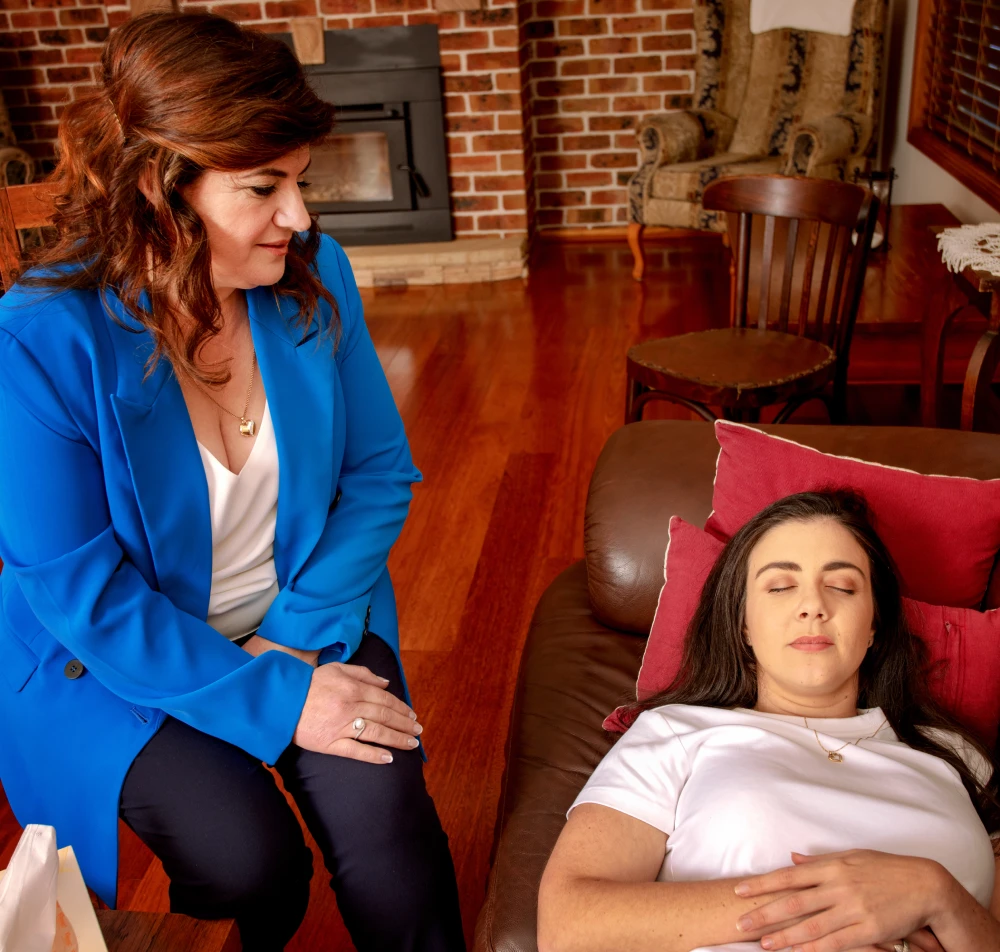
Does Hypnotherapy Really Work? Scientific Evidence & Studies
Hypnotherapy does work, and the science backs it up. A comprehensive 2024 review of 49 meta-analyses covering 261 randomised controlled trials found that hypnosis produces medium to large effects for pain management, anxiety reduction, and medical procedures. Brain imaging studies confirm that hypnosis creates real, measurable changes in how your brain processes information and responds to suggestions.
The question isn’t whether hypnotherapy works, but rather how it works and what conditions respond best to treatment. This article examines the scientific evidence, explores what happens in your brain during hypnosis, and helps you understand when hypnotherapy might be an effective option for your specific needs.
How Does Hypnotherapy Work?
Hypnotherapy guides you into a focused state of attention where your mind becomes more receptive to positive suggestions and behavioral changes. This isn’t sleep or loss of control. You remain fully aware and in charge of your thoughts throughout the session.
i. The Four Stages in Brief
The hypnotherapy process follows four distinct stages. During induction, your therapist helps you relax through breathing exercises and focused attention. Deepening increases your level of relaxation and mental focus, similar to sinking into a comfortable chair. The suggestions stage introduces specific changes you want to make, whether that’s managing pain, reducing anxiety, or changing unwanted behaviors. Finally, emergence gently brings you back to normal awareness.
Think of it like entering a flow state where distractions fade away and you can focus intensely on one thing. Your therapist uses this focused state to help rewire unhelpful thought patterns and responses. For a detailed explanation of each stage and what to expect during sessions, read our complete guide on what is hypnotherapy.
What Does Hypnotherapy Claim to Treat?
Hypnotherapy addresses a wide range of mental health, physical health, and behavioral conditions. Research shows varying levels of effectiveness depending on the specific issue being treated.
i. Mental Health Conditions
Hypnotherapy shows strong evidence for treating several mental health conditions:
- Anxiety – Significant reductions in symptoms with good research support
- Depression – Helps manage negative thought patterns and improve mood
- Trauma and PTSD – Assists in processing difficult memories without overwhelming emotional responses
- Phobias – Well-documented effectiveness for specific fears
- Panic attacks – Reduces frequency and intensity
- Stress management – Both work stress and relationship stress respond well
- Perfectionism – Helps moderate unrealistic standards
Many people find relief from various anxiety-related conditions through targeted hypnotherapy sessions.
ii. Dependencies and Behavioral Issues
Breaking free from dependencies represents one of hypnotherapy’s most researched applications:
- Smoking cessation – Decades of clinical evidence supporting its use
- Weight loss and food addiction – Changes relationship with eating and exercise
- Alcohol and substance dependencies – Strengthens resolve and changes automatic behaviors
- Gambling addiction – Addresses underlying behavioral patterns
- Porn addiction – Helps break compulsive cycles
- Behavioral modification – Various habit changes and self-improvement goals
The key is working with a qualified therapist who can tailor suggestions to your specific patterns.
iii. Physical Health and Pain
Chronic pain shows the strongest research support for hypnotherapy:
- Chronic pain – Consistent evidence of significant pain reduction
- Irritable bowel syndrome (IBS) – Accepted medical application with clinical guidelines
- Migraine – Reduced frequency and intensity reported
- Insomnia – Promotes relaxation and healthy sleep patterns
- Asthma – Shows varying degrees of improvement
- Fibromyalgia – Ongoing research shows promise
Other conditions like grief and loss, relationship breakdown, self-esteem issues, and motivation also benefit from hypnotherapy approaches.
Scientific Evidence Supporting Hypnotherapy
Research into hypnotherapy has moved far beyond anecdotal reports. Modern neuroscience and rigorous clinical trials provide solid evidence for how and why hypnosis creates real therapeutic benefits.
i. What Brain Imaging Studies Reveal
Brain imaging reveals exactly what happens during hypnosis. Stanford University School of Medicine researchers studied 57 people during guided hypnosis sessions and found significant changes in brain activity. Two areas responsible for processing and controlling body functions showed greater activity during hypnosis.
The area of your brain that controls actions and the area that monitors those actions appear to disconnect. This explains why hypnotised people can focus intensely without the usual self-conscious awareness getting in the way. The frontal cortex, which handles decision-making and attention, quiets down. This allows other brain regions involved in filtering and integrating information to become more active.
These aren’t subtle changes. The brain literally operates differently under hypnosis, creating a state where suggestions bypass normal critical filters and can create lasting behavioral changes.
ii. Meta-Analysis Results
The most comprehensive evidence comes from large-scale reviews combining hundreds of studies. A 2024 systematic review by researchers at Leipzig University analysed 49 separate meta-analyses covering 261 primary randomised controlled trials. The results showed medium to large effects across many applications, especially pain management and medical procedures.
Participants receiving hypnosis for pain experienced more relief than about 73% of control participants. That’s a substantial effect size in clinical research. The American Psychological Association endorses hypnotherapy for pain, anxiety, and mood disorders. The Australian Society of Hypnosis affirms its therapeutic use based on this growing body of evidence.
Safety data from these studies shows mostly positive outcomes with no serious adverse effects reported. This makes hypnotherapy a low-risk option worth considering for many conditions.
iii. Individual Response Factors
Not everyone responds to hypnosis equally. Hypnotisability is a measurable trait that varies across the population. About two-thirds of adults can be hypnotised meaningfully, while the remaining third show low susceptibility. This is a genetic trait, not a character flaw or sign of weakness.
Highly hypnotisable people show increased communication between executive-control and salience networks in their brains. This helps them focus attention more intensely and respond better to suggestions. Even if you’re moderately hypnotisable, you can still benefit from treatment.
The skill of your hypnotherapist matters enormously. Qualified practitioners adapt their techniques to your specific needs and measure progress over time. Some therapists also teach self-hypnosis techniques, giving you tools to practice between sessions and maintain improvements long-term.
Understanding Research Limitations
No treatment works for everyone, and hypnotherapy research acknowledges important limitations that help set realistic expectations.
i. Where More Research Is Needed
Some applications of hypnotherapy rest on smaller studies or preliminary evidence. While chronic pain and anxiety have robust research support, conditions like fibromyalgia and some autoimmune disorders need more randomised controlled trials. Weight loss studies show promise but often combine hypnosis with other interventions, making it hard to isolate hypnotherapy’s specific contribution.
The challenge with hypnosis research is creating proper control groups. You can’t blind participants to whether they’re receiving hypnosis, which introduces potential placebo effects. Researchers account for this by comparing hypnosis to active control treatments, but it’s not as clean as drug trials.
ii. Why Individual Results Vary
Your individual hypnotisability significantly impacts outcomes. Someone with high susceptibility might see dramatic changes in one or two sessions. Others with moderate susceptibility may need more sessions and see gradual improvements. Low hypnotisability doesn’t mean hypnotherapy can’t help, but it may require different techniques.
The complexity of your condition matters too. A specific phobia might resolve quickly, while complex trauma or long-standing addiction patterns need more comprehensive treatment. Your motivation, expectations, and relationship with your therapist all influence results.
iii. Choosing Qualified Practitioners
Not all hypnotherapists have equal training or credentials. Look for practitioners with recognised certifications from professional bodies. In Australia, qualified hypnotherapists often belong to the Australian Society of Clinical Hypnotherapists or similar professional organisations.
Red flags include promises of instant cures, claims that hypnosis works for absolutely everything, or practitioners who can’t explain their methods clearly. Good hypnotherapists provide realistic timelines, discuss what research supports for your specific issue, and work collaboratively with other healthcare providers when needed.
Expert Opinions on Hypnotherapy
The medical and psychological communities have shifted from skepticism to acceptance as evidence accumulates.
i. Professional Endorsements
The American Psychological Association recognises hypnosis as a legitimate therapeutic tool for pain, anxiety, and mood disorders. It’s also endorsed for helping people change negative habits like smoking. Australian professional bodies similarly support hypnotherapy when practiced by qualified professionals.
Medical institutions now incorporate hypnosis into treatment protocols. Some hospitals offer hypnosedation as an alternative to general anesthesia for certain procedures. Patients remain awake but deeply relaxed, requiring less pain medication and experiencing fewer complications.
This mainstream acceptance reflects decades of research demonstrating real clinical benefits. Hypnotherapy has moved from fringe treatment to evidence-based complementary therapy.
ii. Complementary vs Primary Treatment
Most experts view hypnotherapy as a powerful complementary treatment rather than a standalone solution for serious conditions. For anxiety or chronic pain, combining hypnosis with other evidence-based treatments often produces the best results. It can reduce medication needs, speed recovery, and give you active tools for managing symptoms.
Some conditions respond well to hypnotherapy as a primary intervention. Specific phobias, smoking cessation, and IBS often improve with hypnotherapy alone. Your healthcare provider can help determine the right approach for your situation.
Integration with psychotherapy enhances outcomes for many mental health conditions. Hypnosis can help you access emotions and memories more easily during therapy sessions, speeding up the therapeutic process.
Conclusion: Does Hypnotherapy Really Work?
The evidence clearly shows that hypnotherapy works for many conditions, particularly chronic pain, anxiety, IBS, and smoking cessation. Brain imaging confirms real neurological changes occur during hypnosis, and large-scale reviews of clinical trials demonstrate significant benefits for mental and physical health.
Success depends on your individual hypnotisability, the skill of your practitioner, and realistic expectations about what hypnotherapy can achieve. It’s not magic, but it is a scientifically supported tool that can create meaningful changes when applied appropriately. If you’re dealing with pain, anxiety, dependencies, or other conditions where evidence supports hypnotherapy, it’s worth exploring as part of your treatment plan.
At Hilltop Hypnotherapy, qualified practitioners work collaboratively with doctors and psychologists to give you the best possible outcomes. Always consult with healthcare providers about your specific situation. Explore our range of hypnotherapy Sydney services to learn more about how hypnotherapy might help you.
Frequently Asked Questions
Does hypnotherapy work for everyone?
No, hypnotherapy doesn’t work equally well for everyone. About two-thirds of adults have moderate to high hypnotisability and respond well to treatment. The remaining third shows low susceptibility but may still benefit from modified techniques. Your response depends on genetic factors, the specific condition being treated, and your therapist’s skill in adapting techniques to your needs.
How many sessions does it take to work?
The number of sessions varies widely based on your condition and goals. Some people notice improvements after one or two sessions, particularly for specific issues like phobias or performance anxiety. Complex conditions such as chronic pain, trauma, or long-standing dependencies typically need six to twelve sessions or more. Your hypnotherapist should discuss realistic timelines during your initial consultation.
Is hypnotherapy safe?
Yes, hypnotherapy is very safe when practiced by qualified professionals. Large-scale reviews of clinical studies report minimal side effects and no serious adverse effects. You remain in control during sessions and can’t be made to do anything against your will. The biggest risk is wasting time and money on unqualified practitioners, which is why choosing certified hypnotherapists matters.
Does hypnotherapy work for weight loss?
Hypnotherapy can help with weight loss, though evidence suggests it works best when combined with diet and exercise changes. It addresses the psychological aspects of eating, including emotional eating, food cravings, and motivation. Research shows moderate effectiveness for weight management. People who use hypnotherapy alongside healthy lifestyle changes often see better long-term results than diet alone. The key is changing your relationship with food and exercise, not relying on hypnosis as a magic solution.
How long do the effects last?
The duration of effects varies by condition and individual. Many people report lasting changes, particularly for issues like phobias, smoking cessation, and chronic pain management. Some conditions benefit from occasional maintenance sessions. Learning self-hypnosis techniques can help you maintain improvements long-term by giving you tools to reinforce positive changes independently. Your therapist can teach you these techniques to support ongoing success.

Sleep Hypnotherapy: Can It Improve Insomnia Naturally?
Sleep troubles affect millions of Australians, with research showing that 33-45% of adults regularly experience inadequate sleep. If you’re lying awake at night, watching the clock tick past midnight, you’re not alone. While prescription medications offer one solution, many people in Sydney and across Australia are turning to a gentler, more natural approach: sleep hypnotherapy.
This guide explores how sleep hypnotherapy works, what the science tells us, and whether this approach might be right for your sleep struggles.
What Is Sleep Hypnotherapy
Sleep hypnotherapy is a therapeutic technique using guided relaxation and positive suggestions to help people address sleep problems like insomnia and anxiety. A therapist guides the individual into a deeply relaxed, trance-like state, similar to meditation, where the subconscious mind is more open to new, positive thoughts and behaviors that promote restful sleep.
The goal is to calm the mind, release worries, and change negative thought patterns, allowing for easier and more restorative sleep. During sleep hypnotherapy sessions, practitioners guide clients into this calm, focused state where helpful suggestions about sleep patterns, bedtime routines, and attitudes towards rest can be introduced.
Sleep hypnotherapy differs from general hypnosis through its specific focus on sleep-related issues. Practitioners use targeted techniques that address the unique psychological and physiological aspects of sleep disorders, making it particularly effective for stress-related insomnia and anxiety around bedtime. Similar techniques are used to help clients overcome phobias and fears that may also contribute to sleep difficulties.
How Sleep Hypnotherapy Works to Target Insomnia
Sleep hypnotherapy addresses the root psychological causes of insomnia while promoting deep relaxation and positive sleep associations. When you enter a hypnotic state, your brainwaves shift to slower frequencies similar to those experienced during the early stages of natural sleep, creating an ideal environment for therapeutic change.
i. Deep Relaxation and Nervous System Calming
Deep relaxation techniques help calm an overactive nervous system, which is often the culprit behind racing thoughts and physical tension that prevent sleep. Through guided imagery and progressive muscle relaxation, your body learns to release the day’s stress and prepare for rest. This physiological shift creates the foundation for natural sleep onset.
ii. Reframing Negative Sleep Thoughts
Therapeutic suggestions work to reframe negative thought patterns about sleep. Many people with chronic insomnia develop anxiety around bedtime, creating a cycle where worry about sleep actually prevents sleep. Hypnotherapy for insomnia helps break this cycle by introducing new, positive associations with bedtime and creating calming mental pathways that support sleep.
iii. Mind-Body Connection Restoration
The mind-body connection plays a crucial role in restoring natural sleep patterns. During hypnosis for sleep, suggestions influence both psychological responses and physical processes like heart rate, breathing patterns, and muscle tension. This dual approach helps restore your body’s natural sleep-wake cycle, also known as your circadian rhythm, allowing for more natural and restorative sleep patterns.
Types of Sleep Issues That Respond to Hypnotherapy
i. Sleep Onset Insomnia – Difficulty falling asleep responds well to anxiety reduction and positive bedtime associations.
ii. Sleep Maintenance Insomnia – Frequent night wakings improve through strengthened sleep maintenance and reduced awakening anxiety.
iii. Early Morning Awakening – Benefits from internal clock resetting and anxiety reduction techniques.
iv. Anxiety-Related Sleep Problems – Shows excellent results when combined with hypnotherapy for anxiety treatments.
Evidence and Research Behind Hypnotherapy for Sleep
Scientific research supports the use of hypnotherapy for sleep across various sleep disorders, with studies showing measurable improvements in sleep quality and duration. A significant study published by the University of Zurich found that participants who received hypnotic suggestions to “sleep deeper” experienced an 81% increase in slow-wave sleep, the most restorative sleep stage, while time spent awake was reduced by 67%.
When compared to other natural sleep treatments, hypnosis for sleep shows competitive results. Research indicates that hypnosis can be as effective as cognitive behavioural therapy for insomnia (CBT-I) for certain individuals, particularly those who are naturally more responsive to hypnotic suggestions. Unlike meditation or mindfulness practices that require ongoing daily commitment, hypnotherapy often produces lasting changes after a relatively short series of sessions.
The National Center for Biotechnology Information has published systematic reviews showing that the majority of studies reported better sleep in people receiving hypnotherapy. These studies consistently report minimal side effects, making hypnotherapy a safe option for most people seeking natural sleep solutions.
Combining Sleep Hypnotherapy with Other Treatments
Sleep hypnotherapy often works best as part of a complete approach to sleep improvement. CBT-I and hypnotherapy complement each other well, with CBT-I addressing thought patterns and sleep behaviours while hypnotherapy accesses the subconscious mind for deeper change. Sleep hygiene improvements become easier to stick to when suggestions given during hypnosis reinforce commitments to regular bedtimes and other sleep-promoting behaviours.
Since stress and sleep problems often feed into each other, addressing underlying stress through hypnotherapy for stress or hypnotherapy for depression can significantly improve sleep quality. At Hilltop Hypnotherapy, we’ve seen countless clients achieve remarkable results through this gentle, empowering approach that works with your natural mental processes to develop healthier sleep patterns.
Conclusion
Sleep hypnotherapy offers a natural, effective approach to treating insomnia without the side effects associated with sleep medications. Research supports its effectiveness for various types of sleep problems, particularly those rooted in stress, anxiety, or unhelpful thought patterns about sleep. By working with the subconscious mind, hypnotherapy can create lasting changes that improve both sleep quality and overall wellbeing.
For Sydney residents struggling with chronic insomnia, sleep hypnotherapy represents a promising treatment option that can be used alone or combined with other approaches. The beauty of insomnia hypnotherapy lies in its ability to work with your natural mental processes, helping you develop sustainable sleep patterns that feel effortless and natural.
If you’re ready to experience the transformative power of natural sleep improvement, consider scheduling a consultation with Margaret Muscat, Strategic Clinical Hypnotherapist at Hilltop Hypnotherapy. With her expertise in sleep-focused hypnotherapy, Margaret can help you develop the peaceful, restorative sleep you deserve. Book your appointment today and take the first step towards better sleep naturally.
FAQ
How long does sleep hypnotherapy take to work?
Most people begin noticing improvements within the first few sessions, though individual response times vary. Some experience benefits after just one session, while others may need several sessions for lasting results.
Is sleep hypnotherapy safe?
Yes, sleep hypnotherapy is considered very safe when conducted by qualified practitioners. Unlike sleep medications, there are no physical side effects or dependency risks. The main requirement is that participants are willing and able to enter a relaxed, focused state.
Can I practice sleep hypnosis at home?
While professional sessions are most effective, many practitioners provide audio recordings for home practice. These recordings can help reinforce session work and provide tools for managing occasional sleep difficulties.
How much does sleep hypnotherapy cost in Sydney?
Session costs vary depending on the practitioner and treatment plan. Many practitioners offer package deals, and some private health insurers provide partial coverage for qualified hypnotherapy services.
Will I remember what happens during hypnosis?
Most people remain aware during hypnotherapy sessions and remember the majority of what occurs. You’re not unconscious during hypnosis; rather, you’re in a relaxed, focused state similar to daydreaming.
Can hypnotherapy help with sleep disorders other than insomnia?
Insomnia hypnotherapy can help with various sleep-related issues including nightmares, sleep anxiety, and certain parasomnias. However, physical sleep disorders like sleep apnoea require medical treatment and cannot be resolved through hypnotherapy alone.
What if I can’t be hypnotised?
While some people are naturally more responsive to hypnosis, most individuals can benefit from hypnotherapy techniques. Qualified practitioners use various approaches to help clients achieve the relaxed state necessary for effective treatment.